Pariquera-Açu: São Paulo's Ornamental Plant Capital
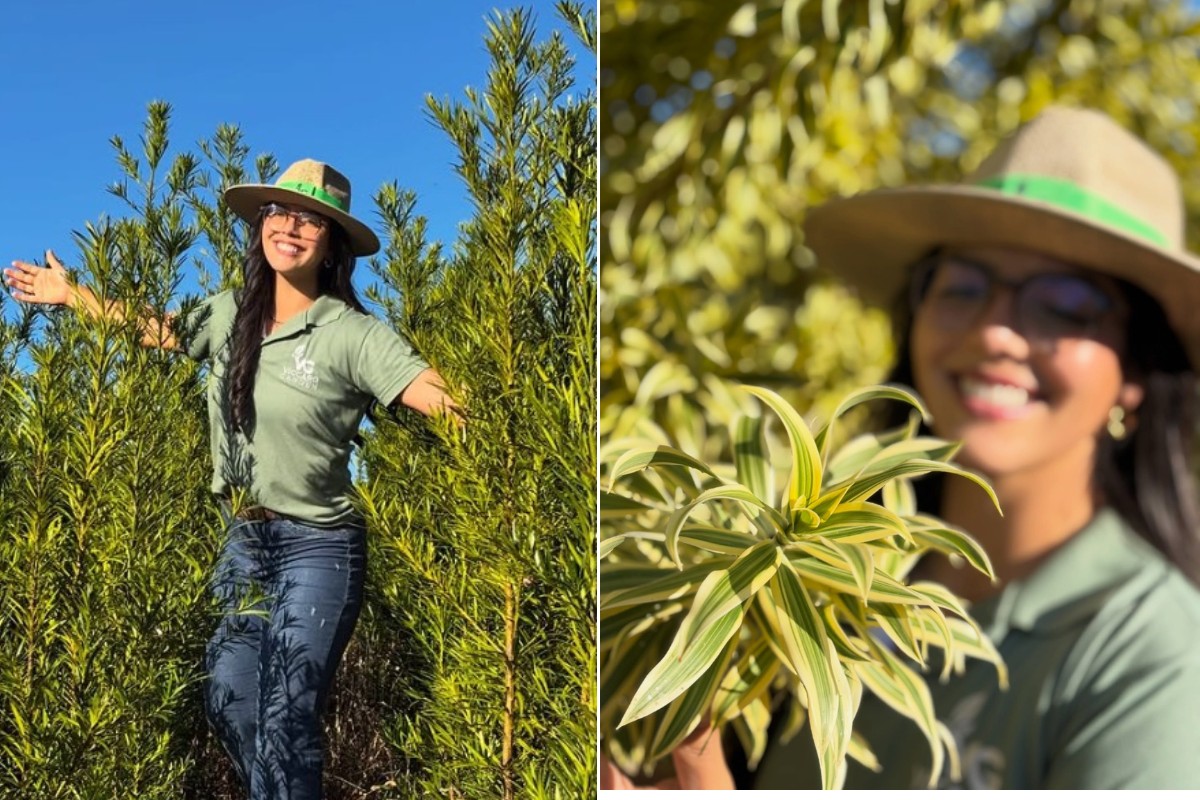
Pariquera-Açu, a city in the Vale do Ribeira region of São Paulo state, has been recognized as the state's capital for ornamental plants. This municipality accounts for 67% of ornamental plant sales within São Paulo, according to data from the State Secretariat of Agriculture. A significant portion of the rural producers in Pariquera-Açu, many of whom are descendants of European immigrants, are involved in this cultivation. The substantial volume of sales not only boosts the local economy but also helps families remain in rural areas. Alberto Víccaro, a 60-year-old producer, exemplifies the sector's success. He began cultivating plants in 1999, inspired by his father, starting with a modest 500 plants. He notes that while today's producers research market demand before planting, his initial venture was undertaken with less information available. His farm now boasts 60,000 plants across eight varieties, primarily serving the areca-bambu market, and supplying homes, businesses, and gardens nationwide. Each plant undergoes a quality control process, including the careful extraction of the root ball, which weighs around 30 kilograms, to ensure it meets size and quality specifications. The business's growth has facilitated the involvement of the next generation. Alberto's youngest daughter, Daniela Viccaro, returned to work on the family farm after initially seeking employment elsewhere. She now manages her own nursery focused on guaimbê seedlings, a popular choice for landscaping projects, with support from her father.
Pariquera-Açu's dominance in ornamental plant sales highlights the success of specialized agricultural economies rooted in specific regional advantages and immigrant heritage. The narrative suggests a generational transfer of knowledge and entrepreneurship, with younger generations like Daniela Viccaro building upon established foundations. The sector's economic impact on local families, enabling them to sustain rural livelihoods, points to the potential for targeted agricultural development to foster community stability. Future challenges may include market saturation, environmental sustainability of intensive cultivation, and adapting to evolving consumer trends and global supply chain dynamics. The reliance on specific plant varieties also presents a risk that could be mitigated through diversification and innovation in plant breeding and cultivation techniques.
AI-generated to prompt reflection — not editorial opinion, not advice, not a statement of fact. How this works.
