Paris Grand Mosque Celebrates 100 Years: A Look Back at an Ambitious and Controversial Project
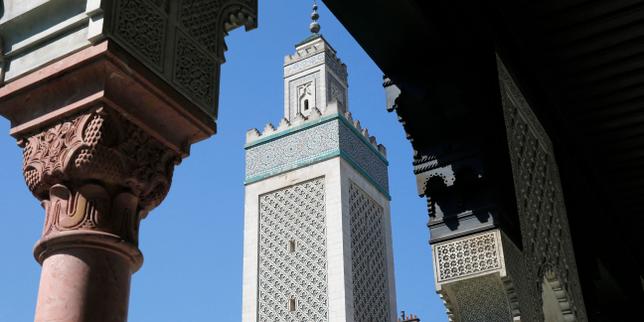
The Grand Mosque of Paris, inaugurated in July 1926, marks its centennial this year. The mosque was established to symbolize France's recognition of the contributions of Muslims to the nation by providing them with a place of worship. Simultaneously, its creation also served as a means for France to exert control over Islam within the country. This dual purpose highlights the complex historical relationship between the French state and its Muslim population. The mosque stands as a significant architectural and cultural landmark in Paris. Its centennial provides an opportunity to reflect on its founding principles and its evolving role over the past century. The project was both grand in its ambition and controversial in its execution and underlying motivations.
The establishment of the Grand Mosque of Paris in 1926 reflects a strategic state initiative to both acknowledge and manage the presence of Muslims within France. This dual objective, offering a place of worship while simultaneously asserting governmental oversight, encapsulates a recurring dynamic in state-minority relations. As France navigates the complexities of religious pluralism in the 21st century, understanding the historical precedents set by institutions like the Grand Mosque offers insights into the ongoing challenges of integration, secularism, and national identity. The mosque's centennial prompts reflection on how evolving societal expectations and geopolitical shifts might reshape the relationship between religious communities and the state in the coming decade.
AI-generated to prompt reflection — not editorial opinion, not advice, not a statement of fact. How this works.