Paris Mayor Emmanuel Grégoire's Centralized Governance Style
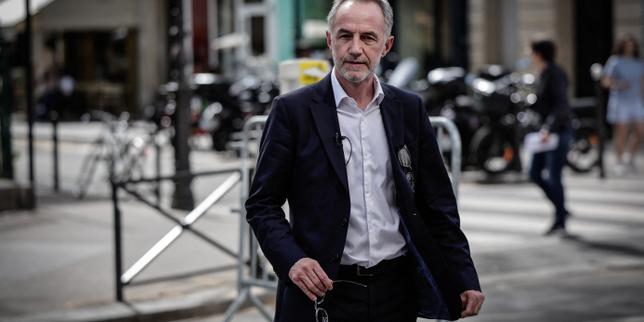
In his first 100 days as the new mayor of Paris, Emmanuel Grégoire has established a distinct governing style characterized by his desire to be indispensable and in control of all aspects of city administration. This approach, however, risks undermining the autonomy and responsibilities of his deputy mayors. Grégoire's objective appears to be a highly centralized form of governance, where he personally oversees numerous decisions and initiatives. While this can lead to swift action and a clear direction, it may also create bottlenecks and reduce the capacity for delegated decision-making within the city council. The long-term implications of this concentrated power structure on the effectiveness and efficiency of Paris's municipal governance are yet to be fully observed.
Mayor Grégoire's first 100 days reveal a governance model prioritizing centralized control. This approach, while potentially efficient in driving specific agendas, may present challenges in fostering a collaborative environment and developing leadership capacity among deputy mayors. Future effectiveness will likely depend on balancing decisive leadership with empowered delegation. The inherent tension between central authority and distributed responsibility is a common theme in urban governance, particularly as cities face complex, multifaceted challenges requiring diverse expertise and localized solutions. Examining how this dynamic evolves over Grégoire's term will offer insights into adaptive leadership strategies in large metropolitan areas.
AI-generated to prompt reflection — not editorial opinion, not advice, not a statement of fact. How this works.