Paris Region's Underestimated Fire Risk Highlighted by Forest Blaze Potential
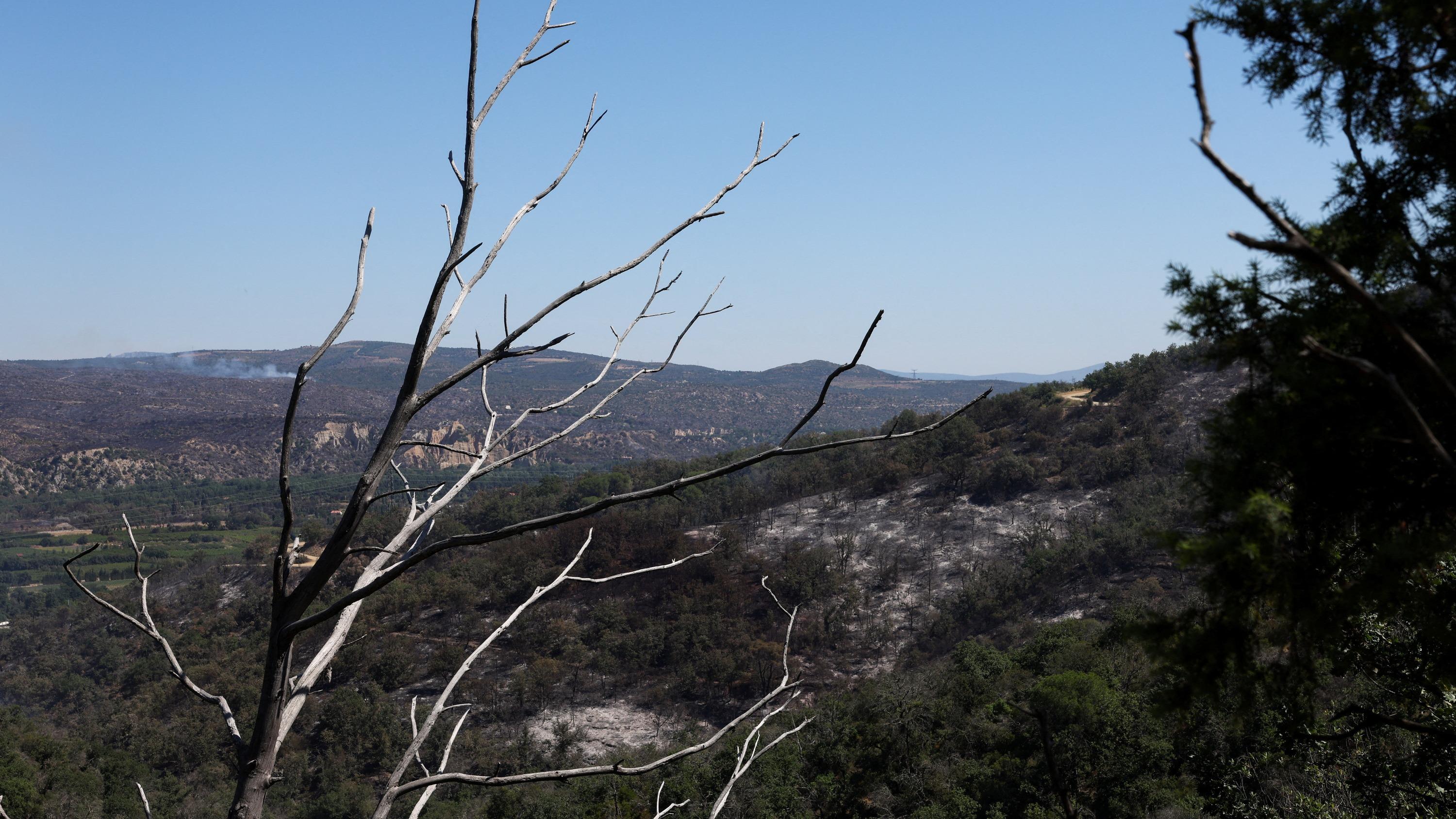
The Île-de-France region, surrounding Paris, faces a significant and underestimated risk of forest fires. This threat has been recognized since the 1950s, but recent years have brought it to the forefront due to increasingly frequent heatwaves and the intensifying effects of climate change. The potential for large-scale fires in this densely populated area, often perceived as less vulnerable than other regions, is now a growing concern. Authorities and experts are re-evaluating the preparedness and response strategies for such events. The combination of warmer temperatures, drier conditions, and the proximity of urban areas to forested zones creates a complex risk landscape. This situation underscores a broader challenge of adapting to the new realities of climate change, even in regions not traditionally considered high-risk for wildfires. The focus is shifting towards proactive measures and increased awareness to mitigate potential future disasters.
The re-emergence of forest fire risk in the Île-de-France region, despite historical awareness dating back to the 1950s, illustrates a critical challenge in climate adaptation. It highlights how long-term, systemic changes like global warming can elevate risks in areas previously considered low-vulnerability, potentially overwhelming established preparedness frameworks. This situation prompts consideration of how infrastructure, urban planning, and public awareness campaigns need continuous re-evaluation in light of evolving environmental conditions. The focus on underestimation suggests a need for more dynamic risk assessment models that account for the accelerating pace of climate impacts, ensuring that historical data is continuously updated with current and projected environmental stressors to prevent reactive rather than proactive management.
AI-generated to prompt reflection — not editorial opinion, not advice, not a statement of fact. How this works.