Paris's Green Initiatives Offer Lessons for Australian Cities Facing Heatwaves
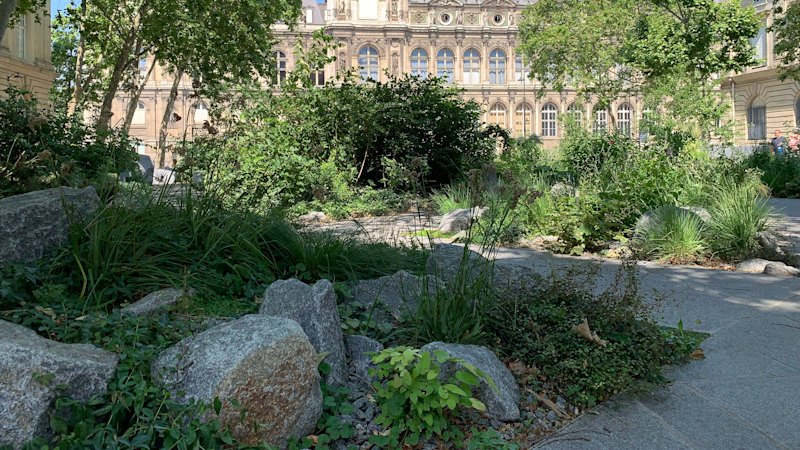
Paris is demonstrating how integrating new greenery can significantly cool urban environments, even during intense heatwaves. This approach offers valuable insights for Australian cities grappling with rising temperatures.
The French capital has been actively implementing strategies to enhance its green infrastructure. These initiatives are crucial for mitigating the urban heat island effect, where cities become significantly warmer than surrounding rural areas. By increasing tree canopy cover and expanding park spaces, Paris aims to create more resilient and livable conditions for its residents.
The effectiveness of these greening efforts has been particularly evident during recent heatwaves. The presence of more vegetation helps to lower ambient temperatures through shade and evapotranspiration, providing much-needed relief. Australian cities, many of which are experiencing similar climatic challenges, could adapt these successful models to improve their own environmental resilience and public well-being.
Paris's urban greening strategy highlights a critical public health and infrastructure challenge exacerbated by climate change. The integration of vegetation into cityscapes addresses the urban heat island effect, a phenomenon driven by the thermal properties of built environments and reduced evaporative cooling. This approach represents a systemic response to rising global temperatures, offering a scalable solution that can enhance urban livability and reduce energy demand for cooling. Policymakers in comparable climates, such as Australian cities, may consider the long-term economic and social benefits of investing in green infrastructure, balancing immediate implementation costs against future resilience gains and public health improvements.
AI-generated to prompt reflection — not editorial opinion, not advice, not a statement of fact. How this works.