Parliament Passes Anti-Money Laundering Bill
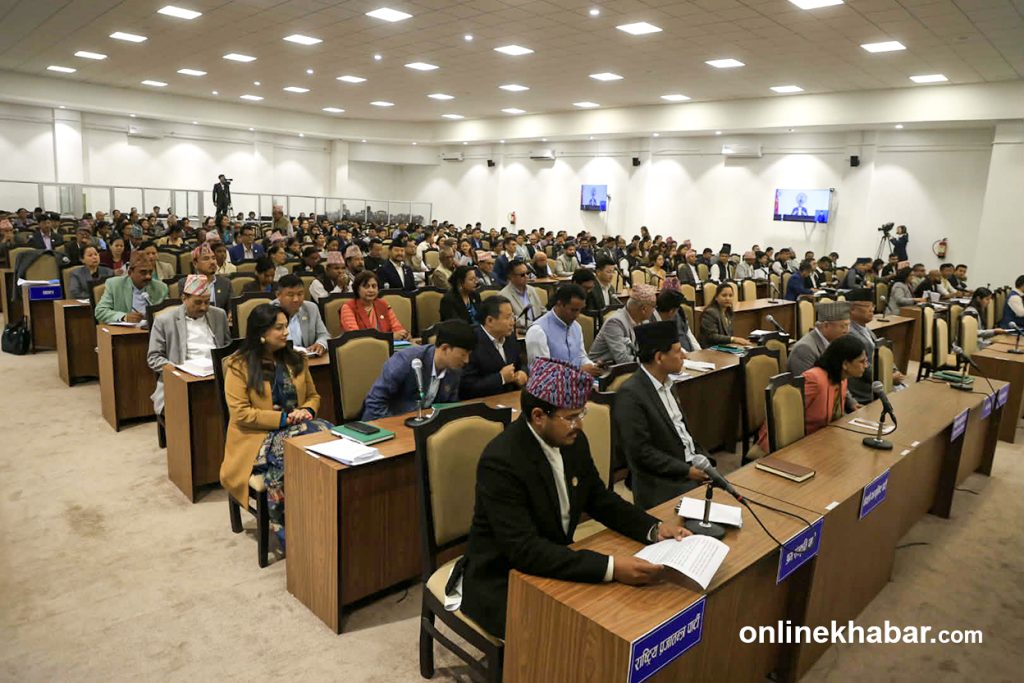
The "Anti-Money Laundering Prevention (Third Amendment) Bill, 2083" has been passed by the House of Representatives. This legislative action marks a significant step in strengthening Nepal's framework to combat financial crimes. The bill aims to update existing laws to better address the evolving methods used in money laundering activities. Its passage through parliament signifies a commitment to enhancing financial transparency and integrity within the country. The updated legislation is expected to improve the effectiveness of investigative agencies and financial institutions in detecting and preventing illicit financial flows. This move is crucial for Nepal's efforts to align with international standards and maintain its reputation in the global financial system. The successful passage of the bill underscores the legislative body's dedication to fiscal responsibility and national security. Further details on the specific amendments and their implications are anticipated as the bill moves through the legislative process.
The approval of the Anti-Money Laundering Prevention (Third Amendment) Bill, 2083, by Nepal's House of Representatives demonstrates a proactive governmental approach to evolving financial crime typologies. This legislative update is critical for aligning national frameworks with international Financial Action Task Force (FATF) standards, thereby enhancing the country's standing in global financial markets and potentially attracting foreign investment. The bill's passage reflects an understanding of the systemic risks posed by inadequate anti-money laundering (AML) and counter-terrorist financing (CTF) measures, which can destabilize economies and undermine public trust. By strengthening its AML/CTF regime, Nepal is positioning itself to better navigate the complexities of global finance in the coming decade, where digital currencies and cross-border illicit flows present ongoing challenges.
AI-generated to prompt reflection — not editorial opinion, not advice, not a statement of fact. How this works.