Parliamentary Committee Directs Government to Submit Clean Water Plan in 15 Days
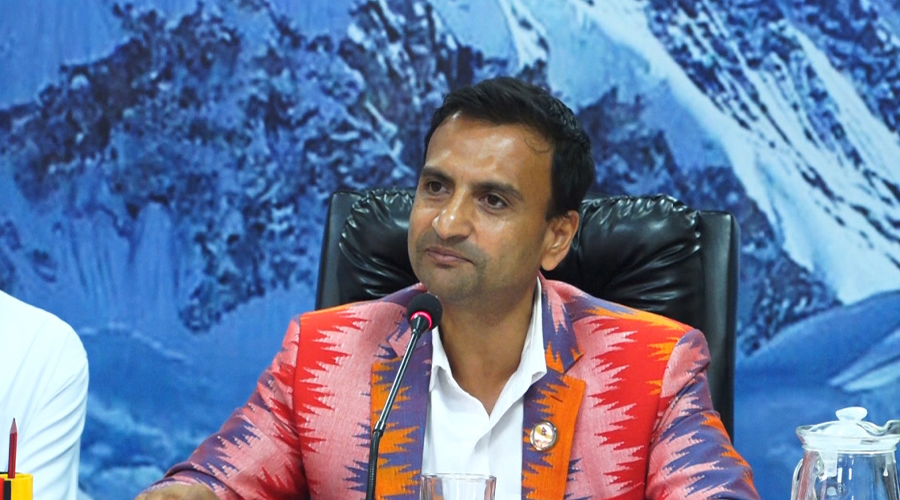
The Infrastructure Development Committee of the Federal Parliament has instructed the government to ensure the easy supply of clean and quality drinking water to citizens nationwide. During a committee meeting held on Wednesday, June 24th, Committee Chairman Ashish Gajurel directed the relevant bodies and ministries related to infrastructure development to submit a detailed report with a clear action plan within the next 15 days. The directive aims to guarantee access to safe drinking water for all citizens across the country. The committee emphasized the urgency of addressing water supply challenges and ensuring equitable distribution. This initiative reflects a commitment to improving public health and living standards through essential service provision. The government is expected to present a comprehensive strategy outlining the steps, resources, and timelines required to achieve this goal. The committee will review the submitted plan to ensure its feasibility and effectiveness in meeting the nation's water needs.
The parliamentary committee's directive highlights a critical infrastructure and public health challenge in Nepal: ensuring universal access to clean drinking water. By demanding a concrete action plan within a tight deadline, the committee is applying oversight pressure on government ministries to move beyond policy statements to tangible implementation. This move can be viewed through the lens of governance efficiency and the state's responsibility to provide fundamental services. In the context of Nepal's development trajectory and potential impacts of climate change on water resources, establishing robust and sustainable water supply systems is paramount. The effectiveness of this directive will hinge on the government's capacity to allocate resources, coordinate across agencies, and execute the proposed plan, ultimately impacting public well-being and national development goals over the next decade.
AI-generated to prompt reflection — not editorial opinion, not advice, not a statement of fact. How this works.