Parliamentary Committee Discusses Gas Shortage, Urges Long-Term Solutions for Nepal Oil Corporation
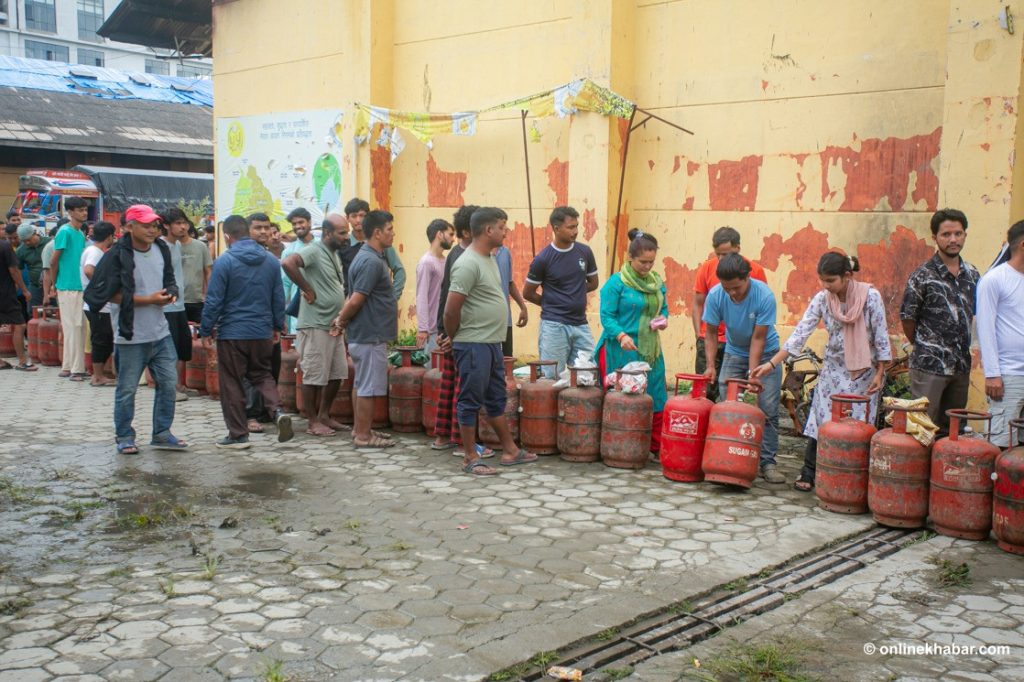
A severe shortage of Liquefied Petroleum Gas (LPG), commonly known as cooking gas, is currently impacting the market, with consumer rights activists and gas industry representatives offering differing explanations for the crisis. During a meeting of the parliamentary Industry, Commerce, Labour and Consumer Welfare Committee on Tuesday, consumer advocates attributed the problem to mismanagement by the Nepal Oil Corporation (NOC). Conversely, industry stakeholders pointed to government policy deficiencies and technical challenges as the primary causes of the scarcity. The committee engaged in discussions regarding the ongoing gas shortage, emphasizing the need for the NOC to develop and implement long-term solutions to prevent future occurrences. The urgency of the situation was highlighted, with members expressing concern over the significant disruption to daily life caused by the lack of cooking gas. Further deliberations are expected to focus on strategies to ensure a stable and consistent supply of LPG to consumers across the country. The committee aims to address the root causes of the shortage and foster a more resilient energy supply chain.
The current LPG shortage in Nepal highlights systemic challenges in energy supply chain management, particularly concerning the Nepal Oil Corporation's operational efficiency and the government's long-term energy policy framework. Consumer advocates' focus on mismanagement suggests potential governance issues within the NOC, while industry concerns about policy and technicalities point to broader structural impediments. Moving forward, Nepal must consider diversifying its energy sources and improving infrastructure to mitigate reliance on single supply routes and reduce vulnerability to external factors or internal inefficiencies. A forward-looking approach would involve strategic investments in domestic production, alternative energy technologies, and robust regulatory oversight to ensure energy security and price stability for consumers over the next decade.
AI-generated to prompt reflection — not editorial opinion, not advice, not a statement of fact. How this works.
