Parliamentary Committee Oversight Lapses Raise Concerns Over Security Agency
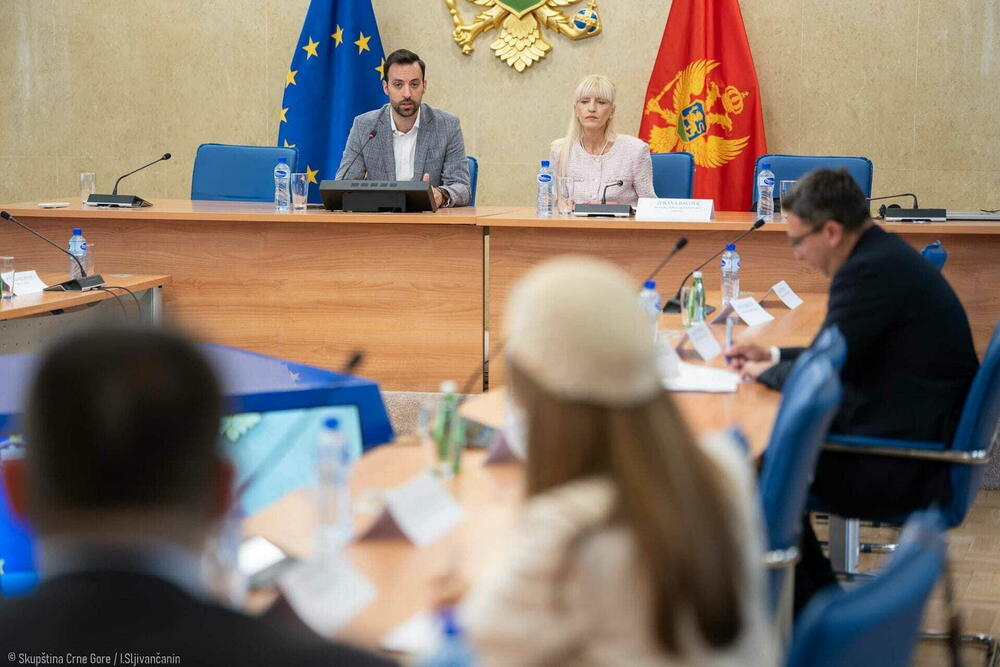
Members of the ruling majority in parliament failed to attend a session intended to review the work of the National Security Agency (ANB). This marks the fourth consecutive month without a scheduled session for this crucial committee. The committee is responsible for overseeing institutions that employ numerous officials, manage substantial budgets, and whose operations can directly impact human rights. Stevo Muk highlighted the significance of this oversight body, particularly given the potential for abuses within these sensitive departments. Nikola Zirojević suggested that the lack of engagement from the majority is unsurprising, given the history of misuse in these sectors. The absence of parliamentary oversight raises questions about accountability and transparency within Montenegro's security apparatus. The delay in selecting a committee president further exacerbates the governance vacuum. This situation could potentially weaken checks and balances on state security functions.
The prolonged absence of parliamentary oversight for the National Security Agency, spanning four months without a committee session, indicates a potential governance deficit. This lapse in scrutiny, particularly over an agency with significant budgetary and human rights implications, could foster an environment where accountability mechanisms are weakened. The dynamic suggests a possible trade-off between perceived operational efficiency and democratic oversight, a tension inherent in security sector governance. In the coming decade, as the influence of intelligence agencies grows, maintaining robust, independent parliamentary review will be critical to safeguarding civil liberties and preventing potential overreach.
AI-generated to prompt reflection — not editorial opinion, not advice, not a statement of fact. How this works.