Parliamentary Dysfunction Sparks Deep Concern
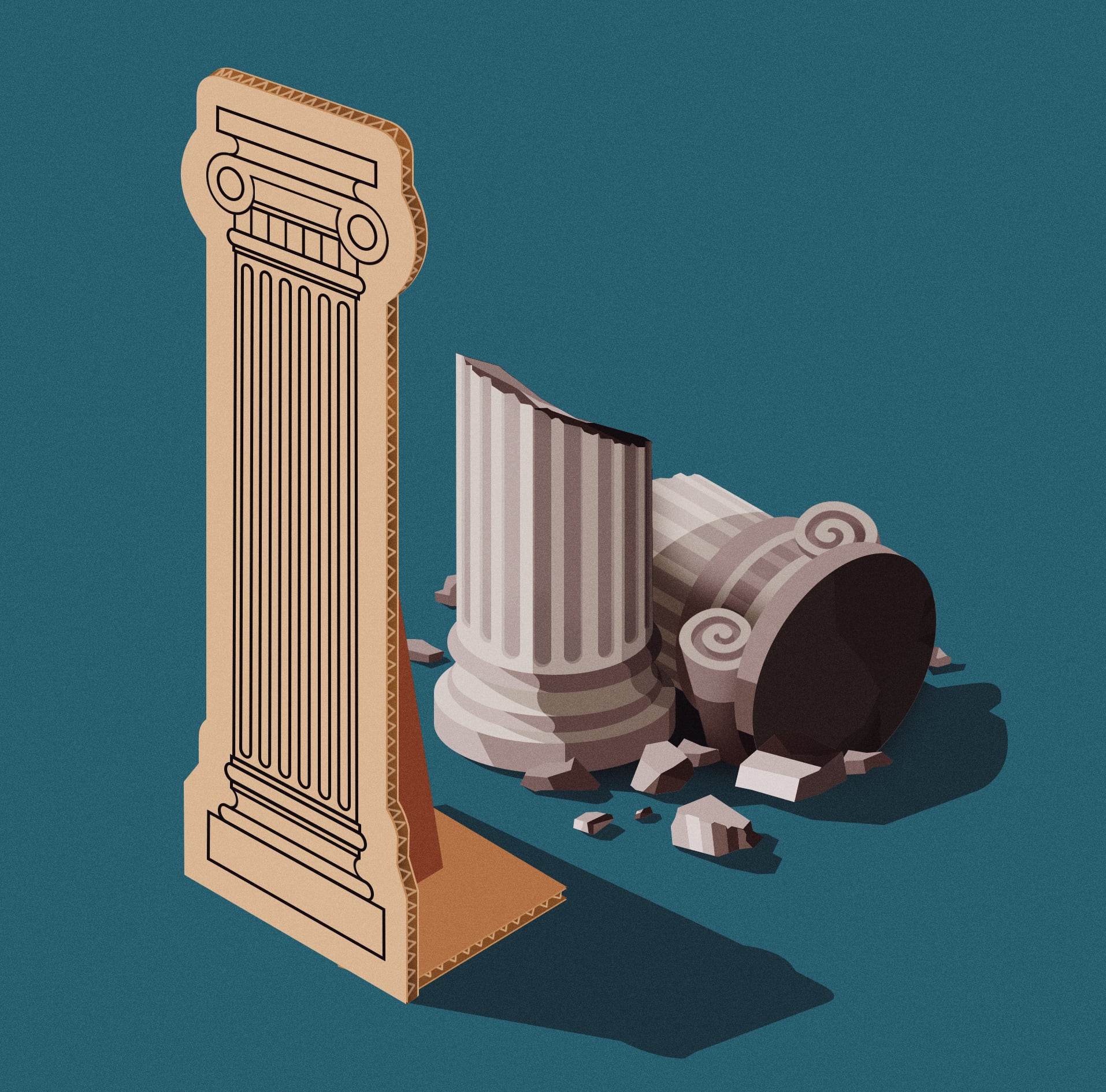
The current legislative session is marked by pathological dynamics that are causing profound perplexity. These underlying issues are creating a sense of unease and confusion regarding the functioning of the parliament. The observation of these problematic trends suggests a significant deviation from expected parliamentary conduct and effectiveness. The situation is raising serious questions about the integrity and productivity of the legislative process. This perplejity stems from the observation of behaviors and patterns that seem detrimental to the democratic institution. The implications of these dynamics could affect public trust and the ability of the government to function cohesively. Further examination is needed to understand the root causes and potential consequences of these observed pathological trends within the legislature. The pervasive nature of these issues indicates a systemic problem rather than isolated incidents.
The observed 'pathological dynamics' within the current legislative session suggest a potential breakdown in deliberative processes and consensus-building mechanisms. Such dysfunction can arise from various factors, including entrenched partisan divisions, external pressures, or a lack of robust institutional checks and balances. From a systems perspective, this can lead to legislative gridlock, reduced public trust, and an inability to address pressing societal challenges effectively. Over the next decade, as AI integration into governance and public discourse accelerates, the need for transparent, efficient, and responsive legislative bodies will become even more critical. Addressing these underlying dynamics is essential for maintaining democratic legitimacy and ensuring that institutions can adapt to future technological and societal shifts.
AI-generated to prompt reflection — not editorial opinion, not advice, not a statement of fact. How this works.