Parliamentary Gridlock Disrupts Proceedings
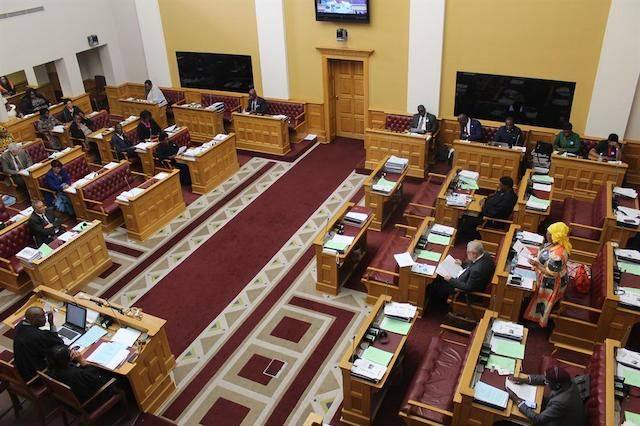
Namibia's National Assembly experienced a disruptive session on Wednesday, characterized by a familiar scene of parliamentary paralysis. Following a tea break, opposition members raised objections, creating a noisy environment and challenging Speaker Saara Kuugongelwa-Amadhila's management of the parliamentary agenda. The specific point of contention arose when authorization was sought for Finance Minister Ericah Shafudah to deliver a speech on behalf of Prime Minister Elijah Ngurare. This incident highlights ongoing challenges within the legislative body regarding procedural conduct and the management of parliamentary business.
The recurring disruption within the National Assembly underscores a potential systemic issue in parliamentary governance, where procedural disputes overshadow substantive legislative work. This pattern of opposition challenges, particularly concerning the delegation of speaking rights, may reflect underlying tensions in political dialogue and accountability mechanisms. Such gridlock can impede the efficient functioning of government, potentially delaying critical policy decisions and eroding public trust in the legislative process. Examining the root causes of these procedural stalemates, such as communication protocols or the perceived fairness of debate, could inform strategies for enhancing parliamentary effectiveness and ensuring that legislative bodies can fulfill their mandates without undue obstruction.
AI-generated to prompt reflection — not editorial opinion, not advice, not a statement of fact. How this works.