Parliamentary Populism Risks Responsible Public Policy
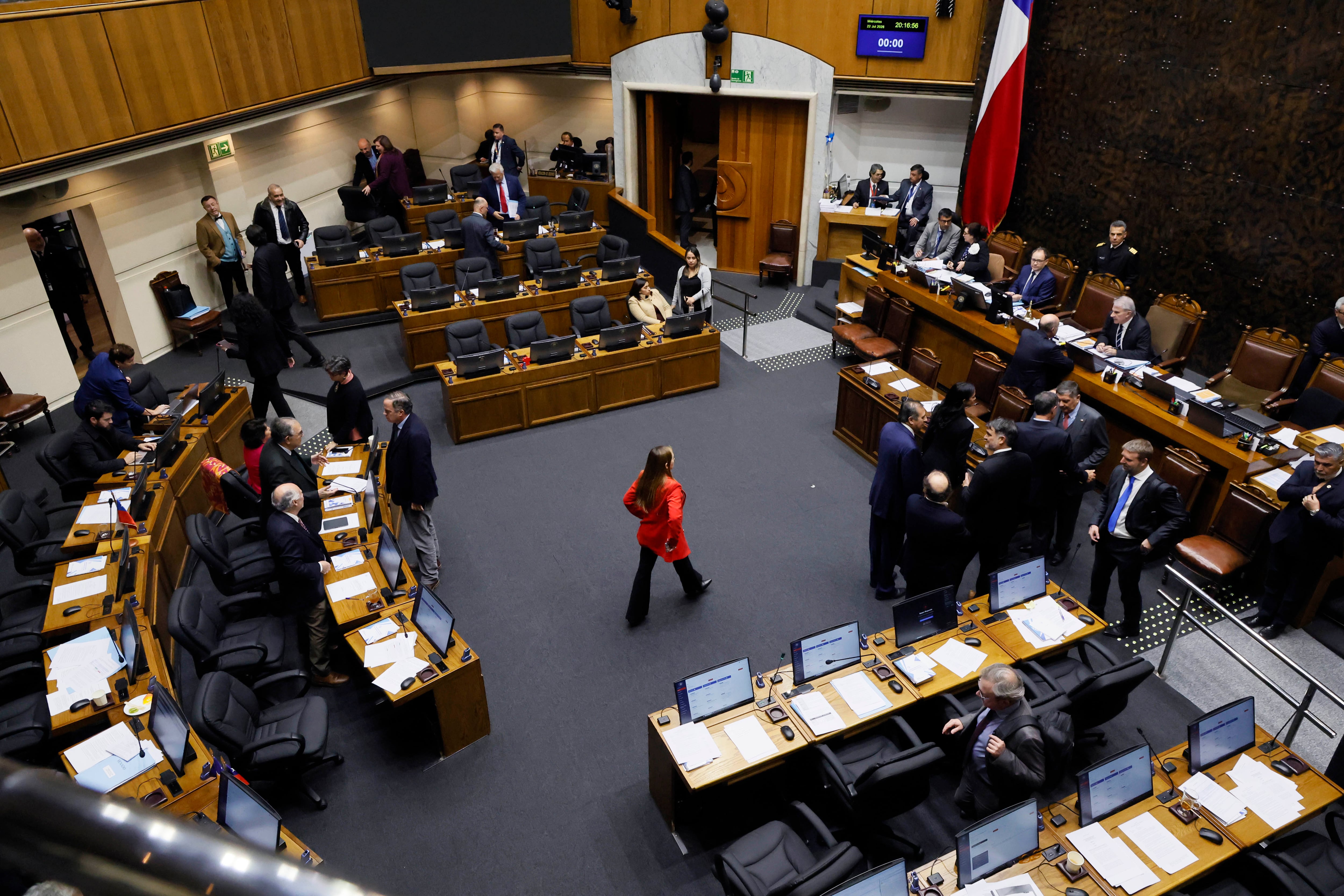
The author warns about the dangers of parliamentary populism, citing specific examples of legislative proposals that could harm Chilean citizens. Motions aimed at ending usury (anatocismo) or introducing financial oblivion are presented as concrete instances where parliamentarians may be succumbing to populist impulses. This behavior, the article suggests, distracts from their primary role of promoting responsible public policies. The core concern is that such actions, driven by popular appeal rather than sound economic principles, could ultimately damage the well-being of the Chilean population. The piece advocates for a focus on governance that prioritizes long-term stability and responsible fiscal management over short-term populist gains.
The legislative proposals mentioned, while potentially framed with populist intent, highlight a recurring tension between immediate public demand and long-term economic stability. The core issue lies in balancing responsiveness to constituent pressures with the fiduciary duty of policymakers to enact sustainable and responsible governance. Such actions can create systemic risks by altering established financial frameworks without comprehensive impact assessments. Future legislative approaches might benefit from enhanced cost-benefit analyses and independent economic evaluations to mitigate unintended consequences, ensuring that policy decisions align with both public sentiment and robust economic principles.
AI-generated to prompt reflection — not editorial opinion, not advice, not a statement of fact. How this works.