Parnaíba Residents Alarmed by Suspected Cat Poisonings, Six Deaths Reported
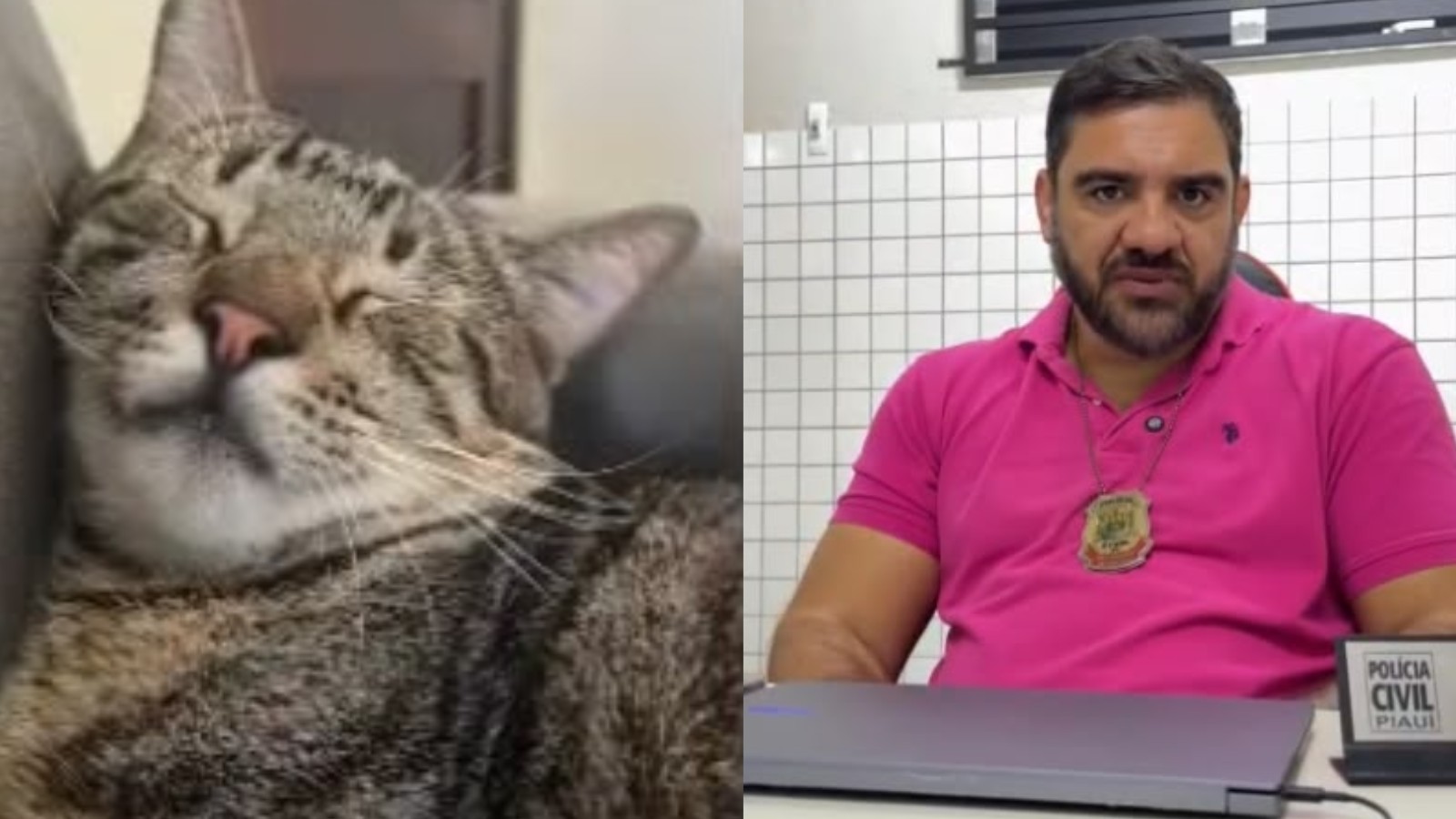
Residents of a condominium in Parnaíba, Piauí, are increasingly concerned following a series of suspected cat poisonings, with six animals reportedly dying since March. The incidents have been reported to the Civil Police and the Public Prosecutor's Office, and an investigation is underway. One affected resident, dentist Kamila Brandão, described the agonizing loss of her cat, Caju, in May, emphasizing the animal was a beloved family member. Veterinarian Sabrina Lopes confirmed that Caju's symptoms were consistent with poisoning and noted a rising frequency of such cases in Parnaíba, often linked to insecticides and rodenticides. The ongoing situation has created a sense of insecurity among pet owners in the condominium, with reports of at least one cat showing signs of poisoning nearly every month. Civil Police delegate Renato Pinheiro stated that this is the second wave of poisonings in Parnaíba and that investigators are pursuing promising leads. He also clarified that poisoning animals is a crime punishable by two to five years in prison and potentially a fine of up to one million Brazilian reais per animal, as each poisoning constitutes a separate offense.
The reported incidents in Parnaíba highlight a complex issue involving animal welfare, community safety, and potential criminal activity. The legal framework cited by the delegate indicates a serious societal response to animal cruelty, with significant penalties designed to deter such acts. From a systemic perspective, understanding the root causes—whether they stem from disputes within the community, broader issues of stray animal management, or individual malice—is crucial for effective intervention. Future strategies might involve enhanced community engagement, improved animal control measures, and potentially public awareness campaigns on responsible pet ownership and the legal ramifications of animal poisoning. Addressing this pattern requires a multi-faceted approach that considers both the immediate safety of animals and the underlying social dynamics contributing to these events.
AI-generated to prompt reflection — not editorial opinion, not advice, not a statement of fact. How this works.
