Parque da Cidade Reopens After Teen Electrocution; Investigation Ongoing
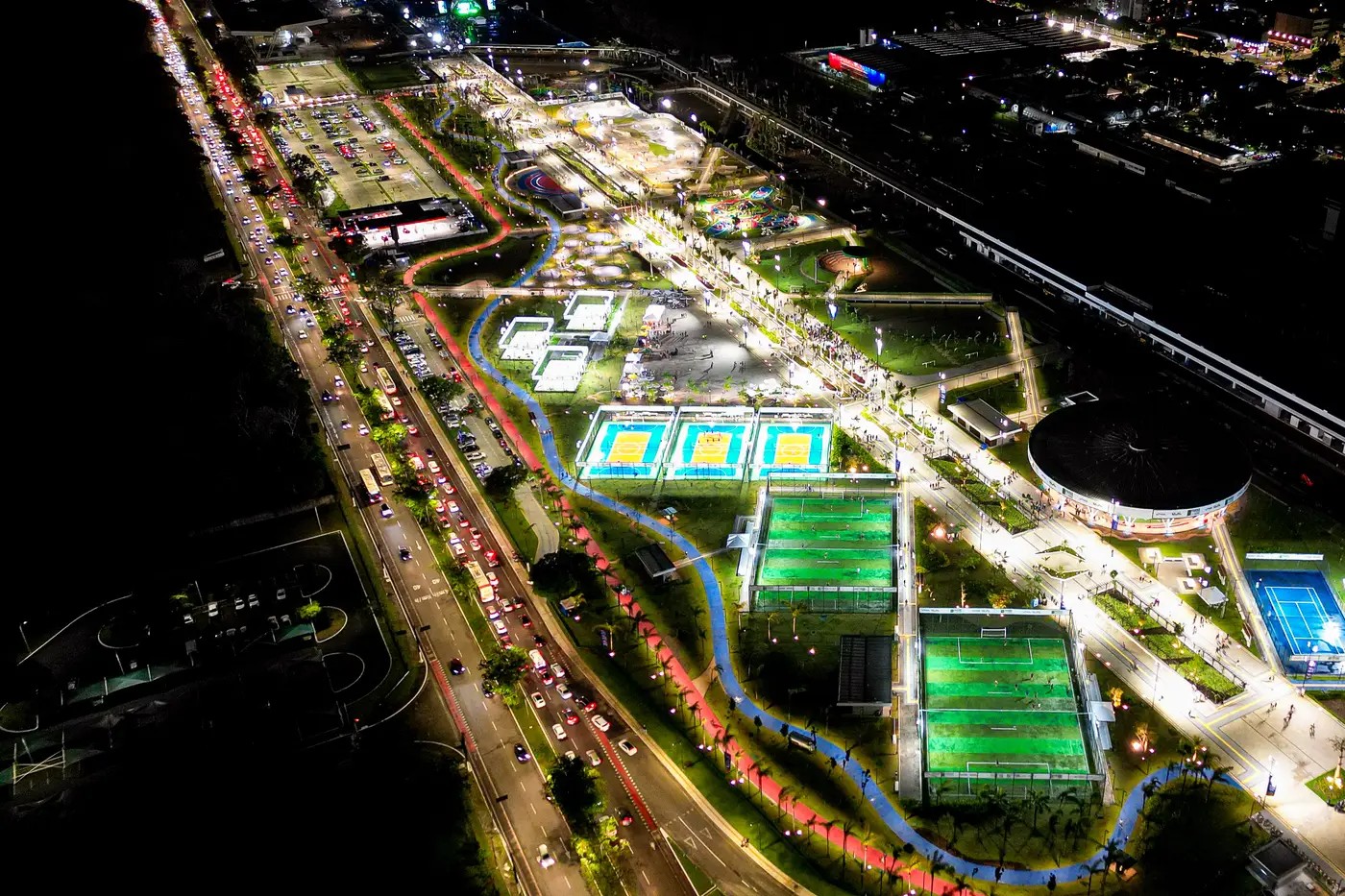
The Parque da Cidade in Belém, Pará, is set to reopen to the public on Tuesday, March 14th, following a temporary closure. The park had been shut down since Thursday, March 9th, after a 16-year-old, Kelvin Paixão Rocha, was electrocuted in the skate park area. The reopening follows a technical inspection by the Fire Department, which has cleared the area. The public summer camp, which was suspended after the incident, will also resume on Tuesday. The park, a significant leisure area for the population and part of the COP 30 preparations, will operate during its usual hours of 8 AM to 10 PM. Kelvin Paixão Rocha was reportedly playing in the skate park on the evening of Wednesday, March 8th, when he received the electric shock. Despite being rescued, he succumbed to his injuries. His family stated that the skate park area was wet due to heavy rain, and a portion of a light pole was covered with PVC piping. The Paraense Skate Federation indicated that the skate park's floodlights were undergoing maintenance the day before the accident. The State Secretariat of Culture confirmed that competent authorities were alerted to investigate the circumstances, but the cause of the electrocution had not been revealed as of Monday, March 13th. The teenager's organs were donated, and his funeral was held. The state government has terminated the contract with the company previously responsible for the park's maintenance.
The tragic death of a teenager at Parque da Cidade highlights critical infrastructure oversight failures. While the park's reopening signifies a return to normalcy and public access, the ongoing investigation into the electrocution is paramount. The termination of the maintenance contract suggests accountability is being addressed, but the incident underscores the need for robust, proactive safety protocols in public spaces, especially those involving electrical systems and water. Future planning for such facilities, particularly those linked to major events like COP 30, must integrate rigorous, independent safety audits and continuous monitoring to prevent predictable tragedies. This event serves as a stark reminder that public safety infrastructure requires consistent investment and scrutiny beyond initial construction and event-driven readiness.
AI-generated to prompt reflection — not editorial opinion, not advice, not a statement of fact. How this works.