Parramatta grapples with competing visions for its future: jobs vs. housing
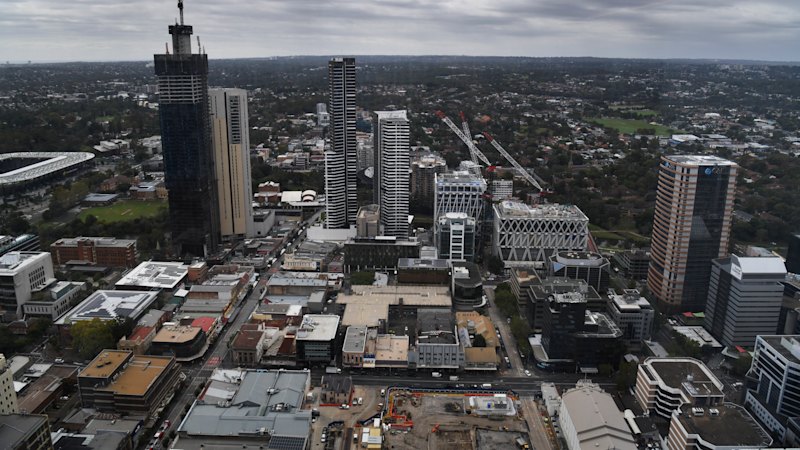
Parramatta's mayor is advocating for the city to be primarily designated for job creation, a vision that clashes with other stakeholders who aim to maximize housing development. This fundamental disagreement highlights the growing pains experienced by the city as it navigates its future growth and urban planning. The debate centers on how to best utilize the city's core areas to achieve its development goals. One side prioritizes economic expansion and employment opportunities, suggesting that dedicating space to businesses and offices will foster a stronger economic base. Conversely, the opposing view emphasizes the urgent need for housing, arguing that increasing residential capacity is crucial for accommodating population growth and affordability. This tension between job-centric development and housing provision is a critical issue for Parramatta's leadership to resolve. The outcome of this debate will significantly shape the city's identity, economic landscape, and liveability for its residents in the coming years. Finding a balance that satisfies both economic imperatives and housing demands will be key to Parramatta's sustained development.
The conflict in Parramatta reflects a common urban planning challenge: balancing economic development with residential needs. As cities evolve, particularly those designated as growth centers, the allocation of prime real estate becomes a critical determinant of their future trajectory. Prioritizing job creation can stimulate economic activity and attract investment, potentially leading to higher tax revenues and improved infrastructure. However, an exclusive focus on commercial development may exacerbate housing shortages and affordability issues, impacting social equity and the ability of workers to live near their jobs. Conversely, a strong emphasis on housing can address immediate population needs and enhance liveability, but may limit the potential for large-scale commercial expansion and job growth. The city's leadership faces the complex task of designing policies that integrate these competing demands, potentially through mixed-use zoning, transit-oriented development, or strategic land acquisition. The long-term success will depend on fostering a dynamic urban environment that is both economically vibrant and socially inclusive, a delicate equilibrium that requires foresight and adaptive governance.
AI-generated to prompt reflection — not editorial opinion, not advice, not a statement of fact. How this works.