Parrots Take Over City, Sparking Debate: Pest or Legitimate Resident?
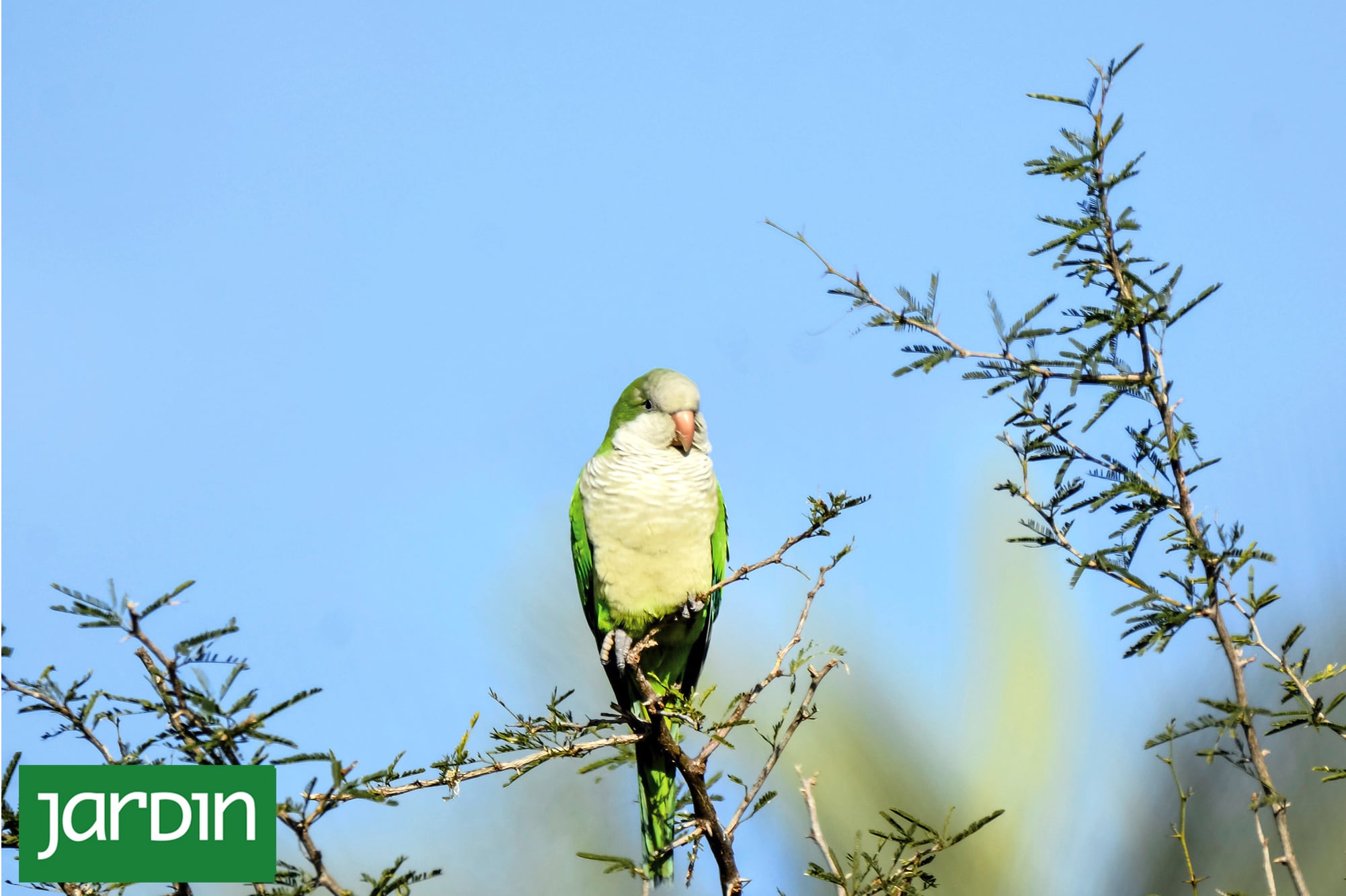
The growing population of parrots in the city has sparked a debate about whether they are a legitimate part of the urban ecosystem or a nuisance. What might appear as an invasion is largely a consequence of human decisions that have altered their natural habitat. These birds have successfully adapted to the urban environment, leading to their proliferation throughout the city. This adaptation has resulted in increased interactions between the parrots and human residents, causing friction. The article suggests that understanding the root causes, which are tied to human impact on natural habitats, is crucial in addressing the situation. The presence of these birds raises questions about coexistence and the definition of a "legitimate" inhabitant in an urban setting. The situation highlights the complex relationship between human development and wildlife adaptation. The ongoing presence of these birds is a testament to their resilience and ability to thrive in human-altered landscapes. This phenomenon is not unique to this city, as similar situations have been observed in other urban areas worldwide.
The proliferation of parrots in urban areas, as described, illustrates a common ecological consequence of habitat alteration driven by human development. The framing of the birds as either "pest" or "legitimate resident" reflects a human-centric perspective, overlooking the adaptive capacity of wildlife. Their success in urban environments is a testament to their resilience, but also a signal of disrupted natural balances. Addressing this situation effectively requires moving beyond simple categorization and considering the systemic factors, such as urban planning and land use, that facilitate such ecological shifts. Future urban design could proactively integrate biodiversity considerations to foster more harmonious coexistence between human populations and adaptable wildlife species.
AI-generated to prompt reflection — not editorial opinion, not advice, not a statement of fact. How this works.