Parties tell court to reject Ramaphosa's Phala Phala interdict, citing parliamentary domain
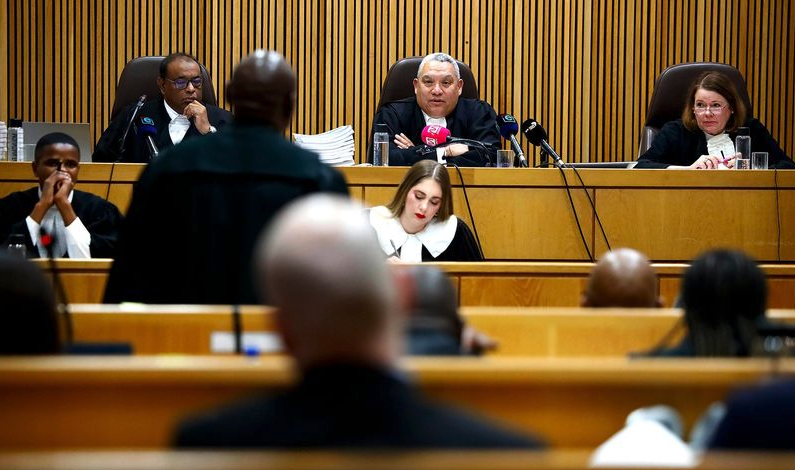
Opposition parties have urged the Western Cape High Court to reject President Cyril Ramaphosa's urgent interdict request concerning the Phala Phala impeachment proceedings. They argued that granting such an interdict would constitute an overreach into Parliament's constitutional authority. The parties contend that the court would be "crossing" into Parliament's legislative lane if it were to prevent the impeachment committee from proceeding. This legal battle centers on the separation of powers, with the parties asserting that parliamentary processes, including impeachment inquiries, should be allowed to run their course without judicial interference. The court heard these arguments as it considers whether to grant President Ramaphosa an urgent interdict to halt the impeachment proceedings against him. The outcome could significantly impact the balance of power between the judiciary and the legislature in South Africa.
The legal challenge surrounding President Ramaphosa's interdict request highlights a critical tension between judicial oversight and parliamentary sovereignty. The opposition's argument emphasizes the principle of non-interference, suggesting that courts should defer to legislative bodies on matters of internal parliamentary procedure, such as impeachment. This perspective aligns with a desire to protect the autonomy of the legislature from potential judicial overreach. Conversely, the President's pursuit of an interdict implies a belief that fundamental rights or due process might be jeopardized by the parliamentary proceedings, necessitating judicial intervention. The court's decision will likely hinge on interpreting the precise boundaries of judicial review concerning parliamentary functions, setting a precedent for future interactions between these branches of government. The long-term implications could shape how accountability mechanisms are balanced against the independence of legislative processes in South Africa.
AI-generated to prompt reflection — not editorial opinion, not advice, not a statement of fact. How this works.