PASOK Criticized for Failing to Fill Opposition Void, Leading to Rise of New Parties
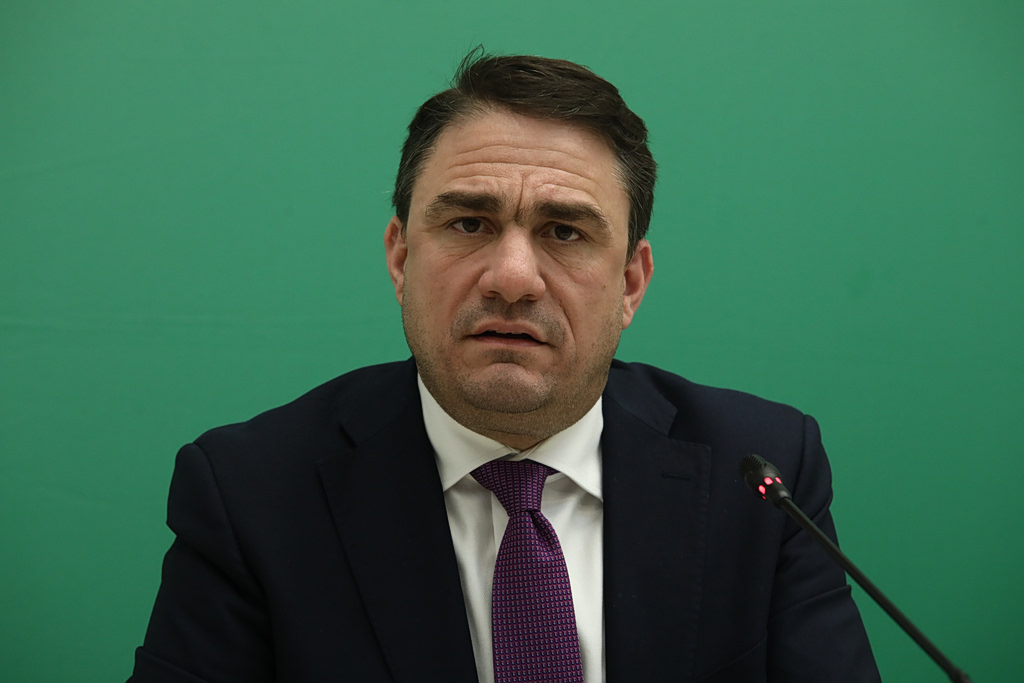
The political party PASOK is facing criticism for its perceived failure to adequately fill the opposition's political void. This perceived inaction has allegedly paved the way for the emergence of new political entities that closely mirror PASOK's own proposals. Kostas Tsoukalas noted that the Hellenic Police (ELAS) has presented recommendations that align with PASOK's stances on taxation, banking, and housing. However, ELAS's proposals on other matters, specifically concerning 'red' issues (likely referring to non-performing loans or similar financial matters), are reportedly similar to those put forth by the New Democracy party. This suggests a complex political landscape where different parties and even state institutions are presenting overlapping policy ideas.
The political dynamics described highlight a challenge for established parties like PASOK in maintaining relevance when newer movements or even state bodies adopt similar policy platforms. This situation can create an electoral vacuum, potentially benefiting parties that can articulate a distinct vision or capitalize on voter dissatisfaction. The alignment of ELAS's proposals with both PASOK and New Democracy suggests a broader consensus on certain policy areas or a strategic positioning by the police force. Future political strategies may need to focus on effective communication and differentiation beyond policy specifics to capture voter attention and loyalty in a crowded political field.
AI-generated to prompt reflection — not editorial opinion, not advice, not a statement of fact. How this works.