PASOK Proposes Institutional Agenda to Counter "Artificial Polarization"
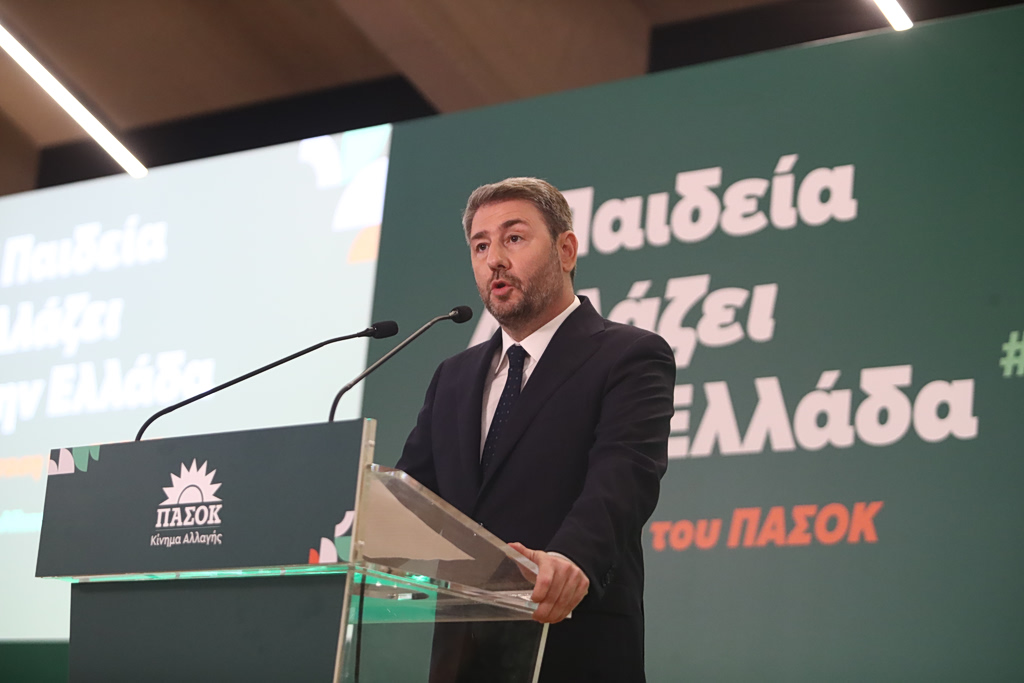
The president of the PASOK party has put forth six commitments aimed at establishing a new educational system. This initiative is presented as a strategic response to what the party terms 'artificial polarization.'
The party's proposal outlines a comprehensive vision for educational reform, emphasizing institutional changes to foster a more constructive political discourse. The specific details of these six commitments are expected to address various facets of the educational landscape, potentially including curriculum development, teacher training, and the overall structure of educational institutions.
PASOK's move signals a desire to shift the political conversation away from divisive rhetoric and towards substantive policy discussions. By focusing on education, the party aims to lay the groundwork for a more informed and engaged citizenry, capable of navigating complex societal issues without succumbing to manufactured divisions.
The proposed institutional agenda by PASOK, framed as a countermeasure to 'artificial polarization,' suggests a strategic effort to reorient political discourse towards tangible policy areas. By focusing on educational reform, the party appears to be leveraging a sector often seen as foundational for societal development and critical thinking. This approach could aim to cultivate a more informed electorate less susceptible to divisive tactics, thereby strengthening democratic processes. The long-term impact will depend on the specific nature of the commitments and their successful implementation, potentially influencing how future political debates are shaped and how citizens engage with complex issues in an increasingly polarized information environment.
AI-generated to prompt reflection — not editorial opinion, not advice, not a statement of fact. How this works.