Passenger Breaks Metro Window During Rio Storm After Over an Hour Stuck
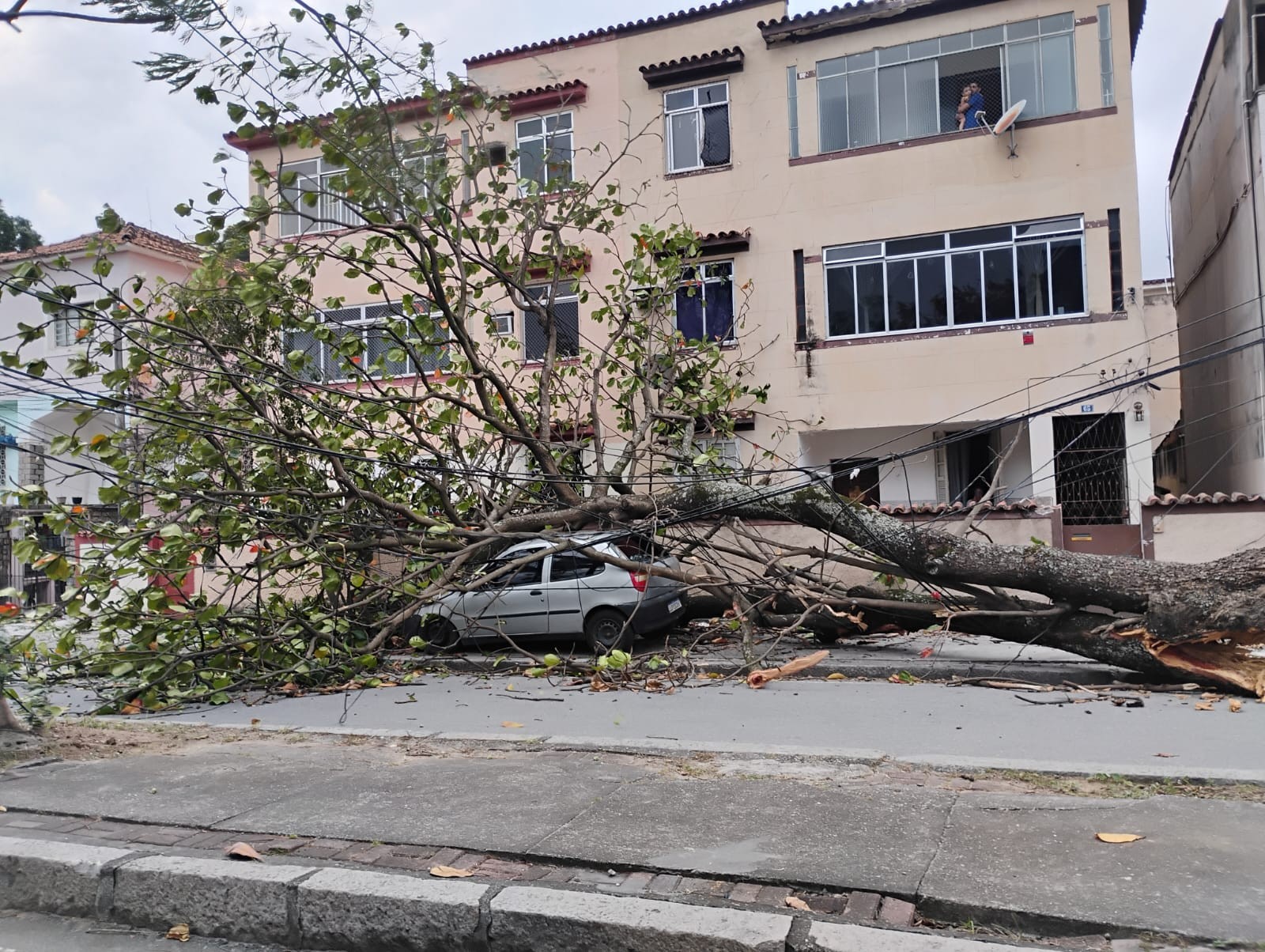
A man used a fire extinguisher to break a window of a MetroRio train near the Maria da Graça station in Rio de Janeiro on Wednesday, September 29th. The train had been stopped for over an hour due to a power outage caused by strong winds that affected the city. Passengers reported feeling breathless, with one passenger stating the man broke the glass to improve air circulation. The video, filmed by other passengers, shows two men breaking the window. Other train cars also sustained damage from passengers seeking relief from stuffy conditions. Many passengers experienced low blood pressure and felt unwell, with some suffering from anxiety or panic. MetrôRio confirmed that power supply issues caused trains to stop and required evacuations, with staff assisting passengers to safety. Service on Lines 1 and 4 was normalizing, but Line 2 remained interrupted. The strong winds also caused widespread power outages in various neighborhoods across Rio de Janeiro and Duque de Caxias. Mayor Eduardo Cavaliere advised residents to exercise caution, avoid open areas and building overhangs, and refrain from non-essential travel due to falling trees and traffic disruptions. The Civil Defense recommended securing objects, turning off electrical appliances, and avoiding areas prone to falling trees or power lines.
The incident highlights the critical infrastructure vulnerabilities exposed by extreme weather events, particularly in densely populated urban environments. The passenger's drastic action, while born of distress, underscores the potential for public safety concerns to escalate when essential services like public transportation fail during emergencies. This event prompts a review of emergency protocols for MetrôRio and other transit systems, focusing on passenger welfare during prolonged disruptions, especially concerning ventilation and communication. Future urban planning and infrastructure resilience must account for increasingly unpredictable weather patterns, necessitating robust contingency measures to prevent such breakdowns and ensure public safety and confidence.
AI-generated to prompt reflection — not editorial opinion, not advice, not a statement of fact. How this works.