Passenger buys fake World Cup stickers on train, finds 2022 Neymar card
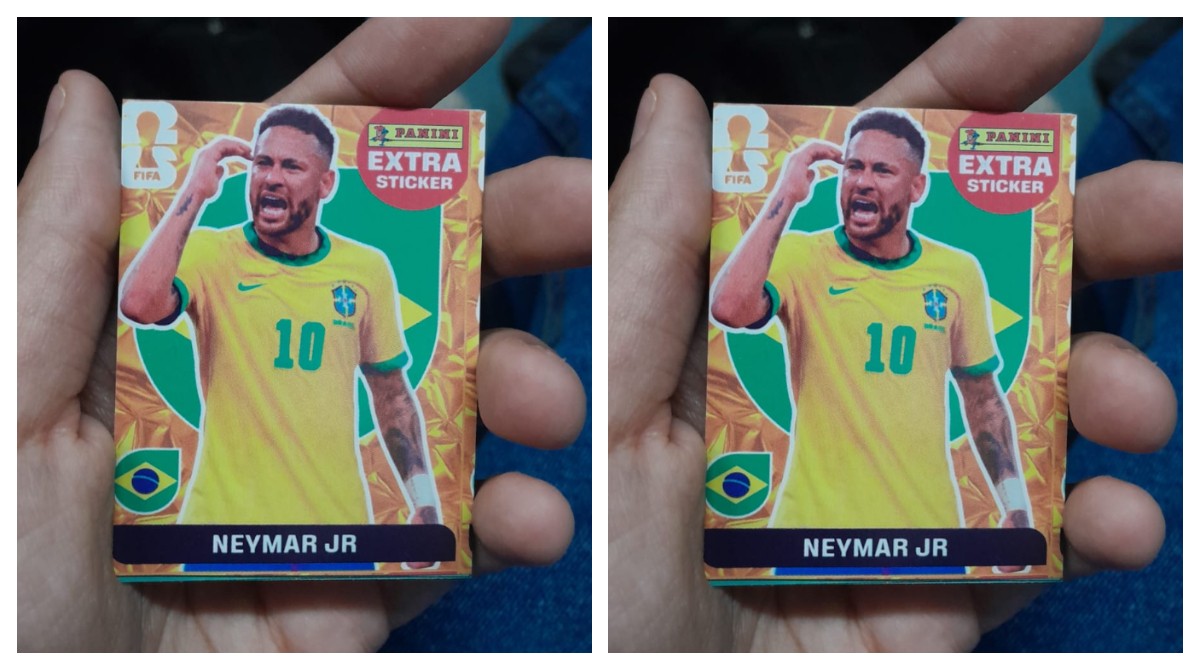
A passenger on CPTM's Line 11-Coral in São Paulo purchased a pack of stickers from a street vendor, who claimed they were from the official 2026 World Cup collection. Upon opening the package, the student, Rayssa Montoro, discovered a Neymar card from the 2022 World Cup edition, confirming the product was counterfeit. The vendor allegedly instructed passengers to scan a QR code on the packaging, which directed to the official Panini website, to falsely demonstrate authenticity. These counterfeit packs were sold for R$7 each, or two for R$10, the same price as genuine Panini products. Montoro, suspecting the items were fake, bought a pack for fun and immediately noticed differences in material quality and print compared to official stickers. Another passenger reportedly bought around 30 packs for his son, only to discover they were also fake, causing him significant distress. The student estimated the vendor sold about 60 packs in just five minutes on her train car. CPTM, the train company, stated that it actively combats irregular street vending, with security agents conducting patrols and responding to passenger complaints. Between January and May of the current year, CPTM reported 937 vendors approached and 43,235 items seized, a decrease from the previous year. The company emphasized that street vending is prohibited on its premises and that irregularly sold products may be linked to crimes such as smuggling and receiving stolen goods. This incident follows a recent police operation in São Paulo where approximately 50,000 counterfeit stickers and 1,000 fake albums for the 2026 World Cup were seized.
This incident highlights the persistent challenge of counterfeit goods infiltrating public spaces, particularly during high-demand events like the World Cup. The vendor's deceptive tactics, including mimicking official packaging and directing consumers to legitimate websites, underscore sophisticated counterfeiting operations. CPTM's efforts to combat irregular vending, while showing a reduction in reported incidents, indicate ongoing systemic vulnerabilities. The situation raises questions about the effectiveness of current enforcement mechanisms and the potential for organized crime to exploit consumer enthusiasm for popular collectibles. Future strategies may need to address not only physical seizures but also the digital avenues used to legitimize fake products and the underlying economic incentives driving such illicit trade.
AI-generated to prompt reflection — not editorial opinion, not advice, not a statement of fact. How this works.