Passive Cooling Tech Offers Hope Amidst Warming Climate, But Challenges Persist
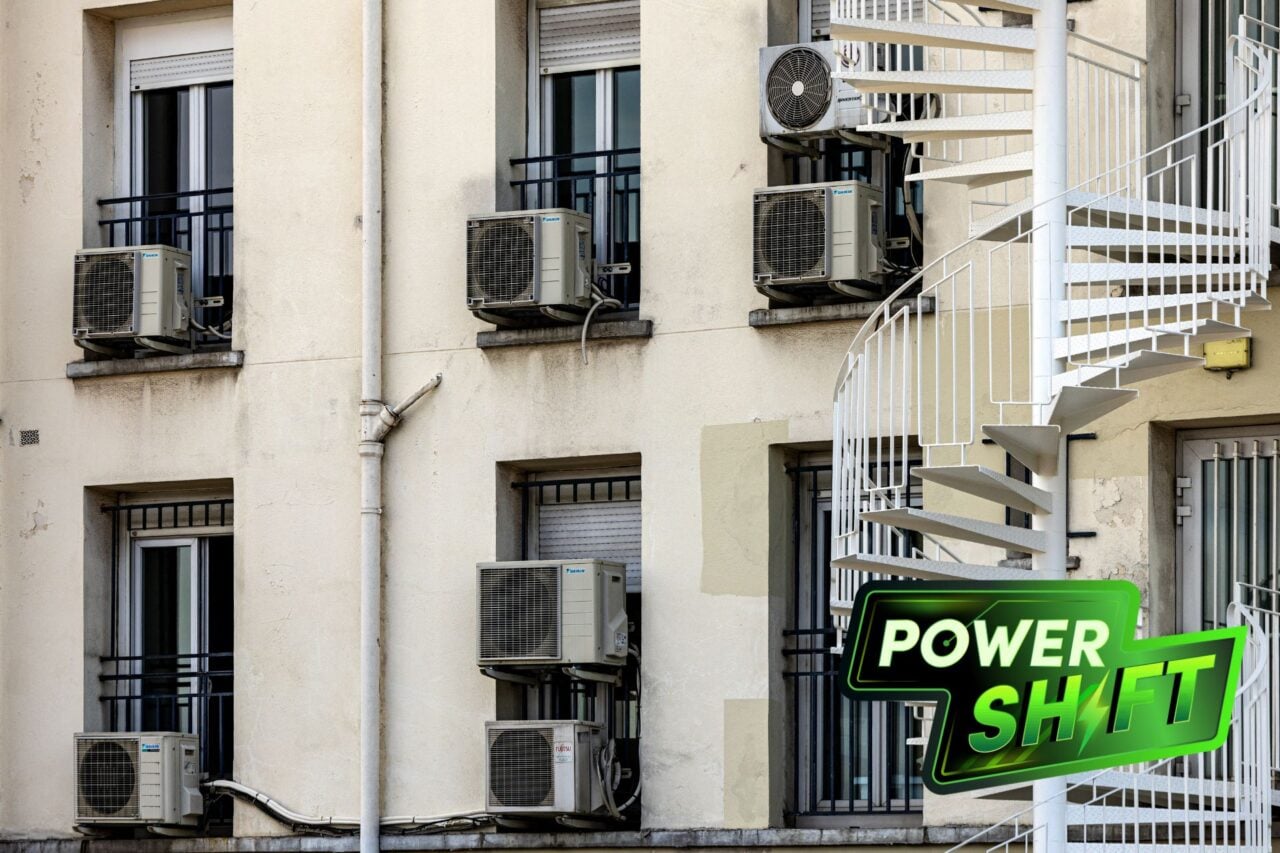
As global temperatures rise, air conditioning becomes increasingly essential, yet its energy demands contribute to further warming, creating a challenging feedback loop. Fortunately, advancements in passive cooling technologies are emerging as a potential solution. These innovative methods aim to reduce reliance on energy-intensive air conditioning by utilizing natural principles to keep buildings cool. Examples include improved insulation, reflective surfaces, natural ventilation strategies, and the use of phase-change materials. These technologies offer a more sustainable approach to thermal comfort in a warming world.
However, significant hurdles stand in the way of widespread adoption. Technical challenges related to the effectiveness and scalability of these passive systems in diverse climates need to be addressed. Economic barriers, such as the initial cost of implementation and the availability of financing, are also critical considerations. Furthermore, the specific climatic conditions of different regions may require tailored solutions, and the pace of climate change itself presents an ongoing challenge. Overcoming these obstacles will be crucial for passive cooling to become a viable and widespread alternative to traditional air conditioning.
The growing demand for air conditioning, driven by climate change, highlights a critical tension between immediate comfort needs and long-term environmental sustainability. Passive cooling technologies represent a promising avenue for mitigating this conflict by decoupling thermal regulation from high energy consumption. However, their successful integration into global building stock will depend on addressing systemic issues. These include the economic viability of retrofitting existing structures and constructing new ones with passive systems, alongside the development of standardized performance metrics and supportive regulatory frameworks. Future-proofing urban environments against extreme heat necessitates a multi-faceted approach that prioritizes energy efficiency and resilience, potentially shifting market incentives towards passive design principles over active cooling solutions.
AI-generated to prompt reflection — not editorial opinion, not advice, not a statement of fact. How this works.