Passos Santa Casa Hospital Humanizes Pediatric Pre-Surgery Care
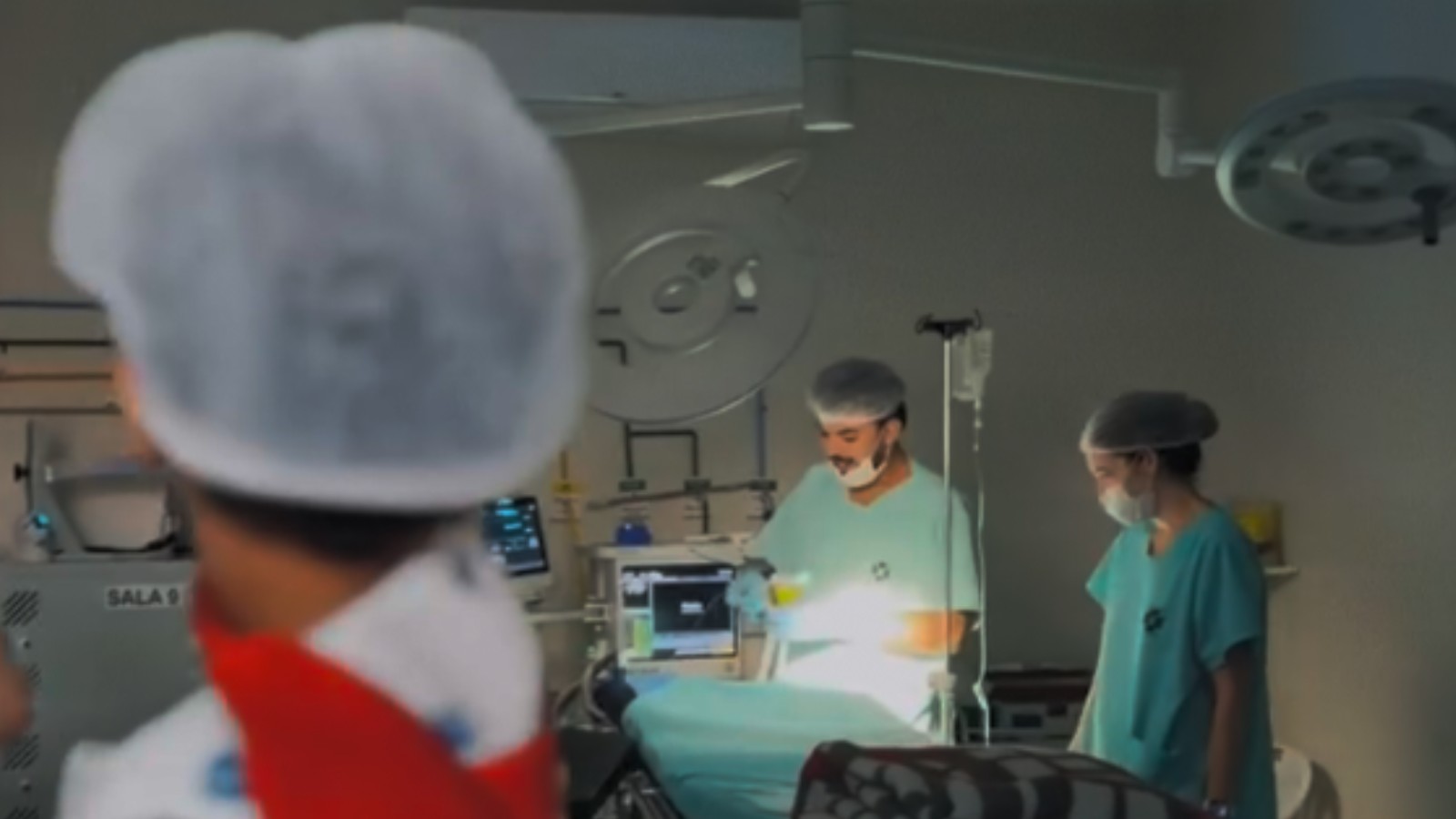
The Santa Casa de Misericórdia de Passos hospital in Brazil is implementing a humanized approach to pediatric pre-surgical care, aiming to reduce anxiety and foster trust in young patients. Pediatric surgeon Dr. Mayara Barbosa leads this initiative, transforming the experience before surgery into one of safety, confidence, and affection. Instead of a purely clinical process, children are given choices about how they approach the operating room. Some prefer to be carried, others engage in playful activities, and some even don superhero costumes to feel empowered. Dr. Barbosa shared an instance where a child, dressed as a superhero, was playfully led to surgery as if 'flying,' turning apprehension into smiles. She emphasizes that these small gestures can significantly alter a child's perception of the hospital environment, replacing fear with curiosity and trust. This approach also positively impacts families, assuring them their child is receiving compassionate care. The hospital's philosophy, known as 'Jeito Santa Casa de Cuidar,' places the human being at the core of its services. By acknowledging the emotional needs of patients and their families, the hospital strives to create a welcoming atmosphere, mitigating the fear and insecurity often associated with hospitalization. Utilizing playful resources and imaginative strategies in pediatric care is crucial for making children feel protected and strengthening their bond with the medical team, leading to a more positive treatment experience. This initiative exemplifies the hospital's commitment to combining advanced technology and technical expertise with sensitivity, comfort, respect, and empathy throughout the patient's journey.
This initiative at Passos Santa Casa Hospital highlights a growing trend in healthcare towards patient-centered, emotionally intelligent care, particularly for vulnerable pediatric populations. By reframing the pre-surgical experience through play and personalization, the hospital addresses the psychological impact of medical procedures on children and their families. This approach leverages behavioral science to mitigate anxiety, potentially leading to better patient cooperation and reduced stress, which can have downstream benefits for recovery. From a systems perspective, such humanizing efforts can enhance patient satisfaction, hospital reputation, and staff morale, while also potentially reducing the need for pre-operative sedation in some cases. The long-term implications for fostering a positive lifelong relationship with healthcare providers are significant, particularly in an era where proactive health management and patient engagement are increasingly critical for public health outcomes.
AI-generated to prompt reflection — not editorial opinion, not advice, not a statement of fact. How this works.