Passu Cherry Exhibition Boosts Hunza Entrepreneurs, Generates Over Rs2 Million
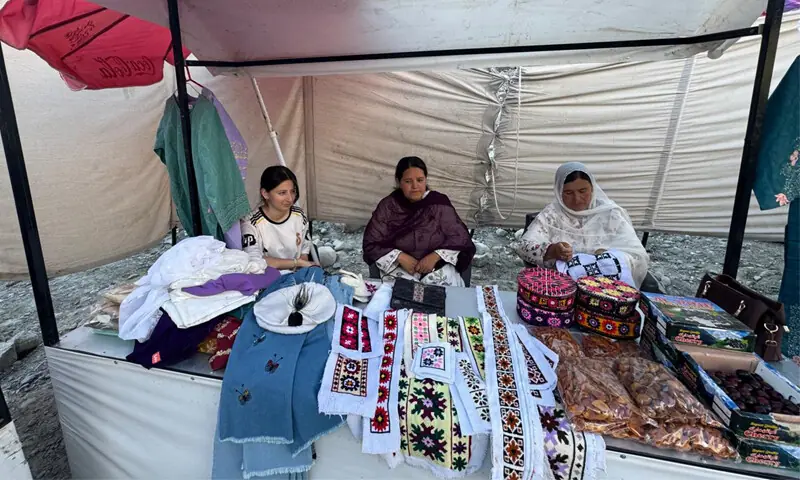
The six-day Passu Cherry Exhibition concluded on Saturday in Upper Hunza, Pakistan, successfully generating over Rs2 million in economic activity. Organized by the Passu Youth and Support Organisation, the event aimed to provide a direct platform for local farmers, artisans, and entrepreneurs to market their products and strengthen their brands. The exhibition attracted a significant number of domestic and international tourists, drawn by the region's scenic beauty, including the iconic Passu Cones, and its cherries. Dozens of stalls offered a variety of homemade goods, such as fresh cherries, organic foods, traditional handicrafts, dried apricots, high-altitude herbs, gemstones, and herbal teas. Women played a dominant role, managing numerous stalls and actively marketing their handmade products, highlighting a significant increase in their market access. For many, like stall owner Shaista Salman, the exhibition provided a crucial opportunity to connect directly with customers and earn income. Young graduate Bibi Heleema, selling gemstones and handicrafts, plans to use her earnings to finance her education. Local community leader Asif Sakhi emphasized the need for continued similar events to stimulate economic activity and support local businesses, given the limited income sources in the region. Tourists, like Khatrina from Poland, praised the event for its delicious food and tea amidst the stunning landscape.
The Passu Cherry Exhibition demonstrates the potent synergy between local cultural assets, tourism, and entrepreneurship. By creating a direct marketplace, the event bypasses traditional intermediaries, allowing local producers, particularly women-led ventures, to capture greater value. This model, while successful in its current iteration, faces scalability challenges inherent in event-based economies. Future considerations could involve developing year-round digital or physical market linkages to sustain momentum beyond seasonal festivals. The exhibition also highlights the economic imperative for regions rich in natural beauty and cultural heritage to leverage these assets strategically, fostering sustainable development that benefits local communities while navigating the complexities of global market access and brand building.
AI-generated to prompt reflection — not editorial opinion, not advice, not a statement of fact. How this works.