Past Attempts to Impose Fees on Health and Education
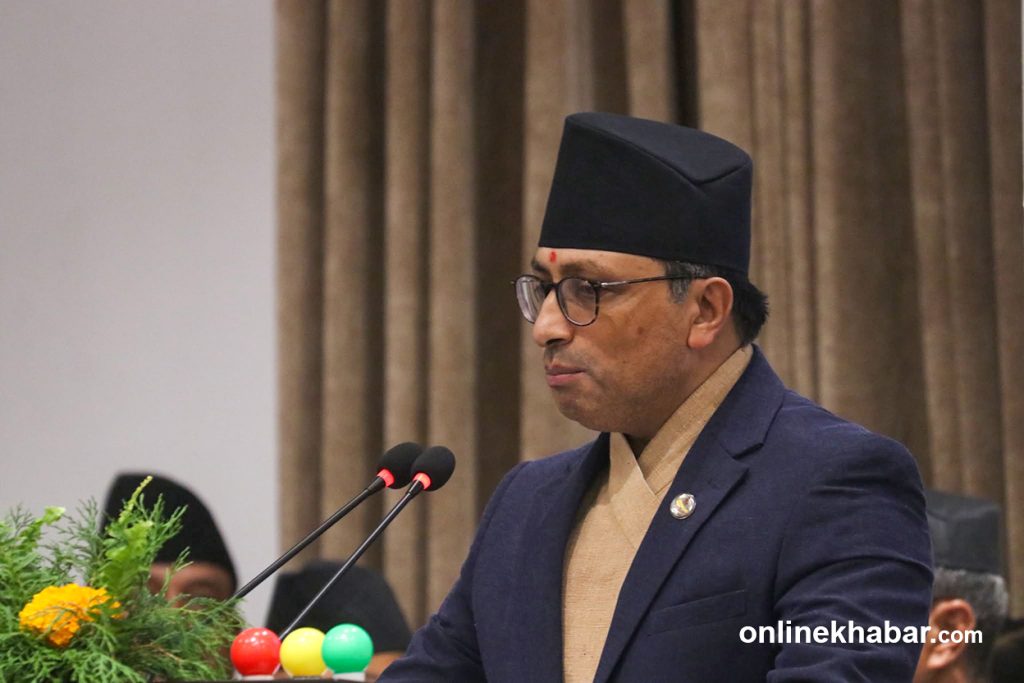
Nepal's constitution guarantees education and health as fundamental rights, meaning additional fees or taxes should not be imposed. In the past, a government had abolished such fees based on this constitutional provision. However, Dr. Swarnim Wagle, the Finance Minister in the current government led by Rastriya Swatantra Party (RSP), has attempted to implement a 3% equalization fee. This move has sparked debate regarding the constitutional rights to education and health and the potential for new financial burdens on citizens. The previous government's decision to scrap fees was rooted in upholding these fundamental rights. The current proposal by Minister Wagle suggests a shift in fiscal policy, potentially reinterpreting or challenging the existing framework around these essential services. The implications of this equalization fee on access to and affordability of health and education services are yet to be fully understood.
The proposal to introduce a 3% equalization fee on health and education services in Nepal, despite constitutional provisions guaranteeing them as fundamental rights, highlights a tension between fiscal needs and citizen entitlements. This situation prompts an examination of the government's revenue generation strategies and their potential impact on public access to essential services. Policymakers face the challenge of balancing budgetary requirements with the imperative to uphold constitutional rights, ensuring that fiscal measures do not inadvertently create barriers to healthcare and education. Future governance models may need to explore innovative, rights-aligned funding mechanisms that do not compromise the accessibility and affordability of these critical sectors, especially in the context of evolving societal needs and economic pressures over the next decade.
AI-generated to prompt reflection — not editorial opinion, not advice, not a statement of fact. How this works.