Past Strawberry Crop Loss Fuels Anxiety Over Linear Chuo Shinkansen Construction
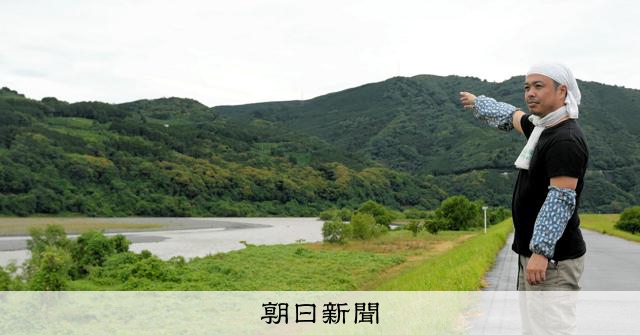
A farmer in the Kiso region of Nagano Prefecture is experiencing renewed anxiety about the ongoing construction of the Linear Chuo Shinkansen maglev train line. This concern stems from a past incident where a significant portion of their strawberry seedlings were lost due to a depleted well. The farmer lost one-third of their strawberry seedlings due to the well drying up, an event that has left a lasting impact. The proximity of the Linear Chuo Shinkansen construction project to their agricultural land has heightened these fears. Specifically, the construction involves deep excavation and tunneling, which could potentially affect groundwater levels and the water sources vital for their crops. The farmer's past experience serves as a stark reminder of the vulnerability of their livelihood to changes in water availability. They are worried that the massive engineering project might inadvertently disrupt the delicate balance of the local water table. This anxiety is amplified by the scale and nature of the construction, which is known to have significant environmental implications. The potential impact on water resources is a critical concern for the agricultural community in the region. The farmer's apprehension underscores the broader worries among residents about the long-term consequences of the maglev project on their environment and traditional livelihoods.
The farmer's apprehension highlights a critical tension between large-scale infrastructure development and the preservation of local water resources, a recurring challenge in areas undergoing significant construction. The construction of the Linear Chuo Shinkansen, a project of national importance, necessitates extensive geological surveys and environmental impact assessments. However, the potential for groundwater depletion or alteration, as evidenced by the farmer's past experience, raises questions about the adequacy of current mitigation strategies. Future infrastructure projects of this magnitude will need to incorporate more robust, real-time monitoring of hydrological systems and establish clearer accountability frameworks for unforeseen environmental consequences. Balancing the economic and technological benefits of such projects with the ecological stability and livelihoods of local communities remains a paramount consideration for sustainable development in the coming decade.
AI-generated to prompt reflection — not editorial opinion, not advice, not a statement of fact. How this works.