Pastor Accused of Rape Directed Victim to Delete 14,000 Photos and Videos
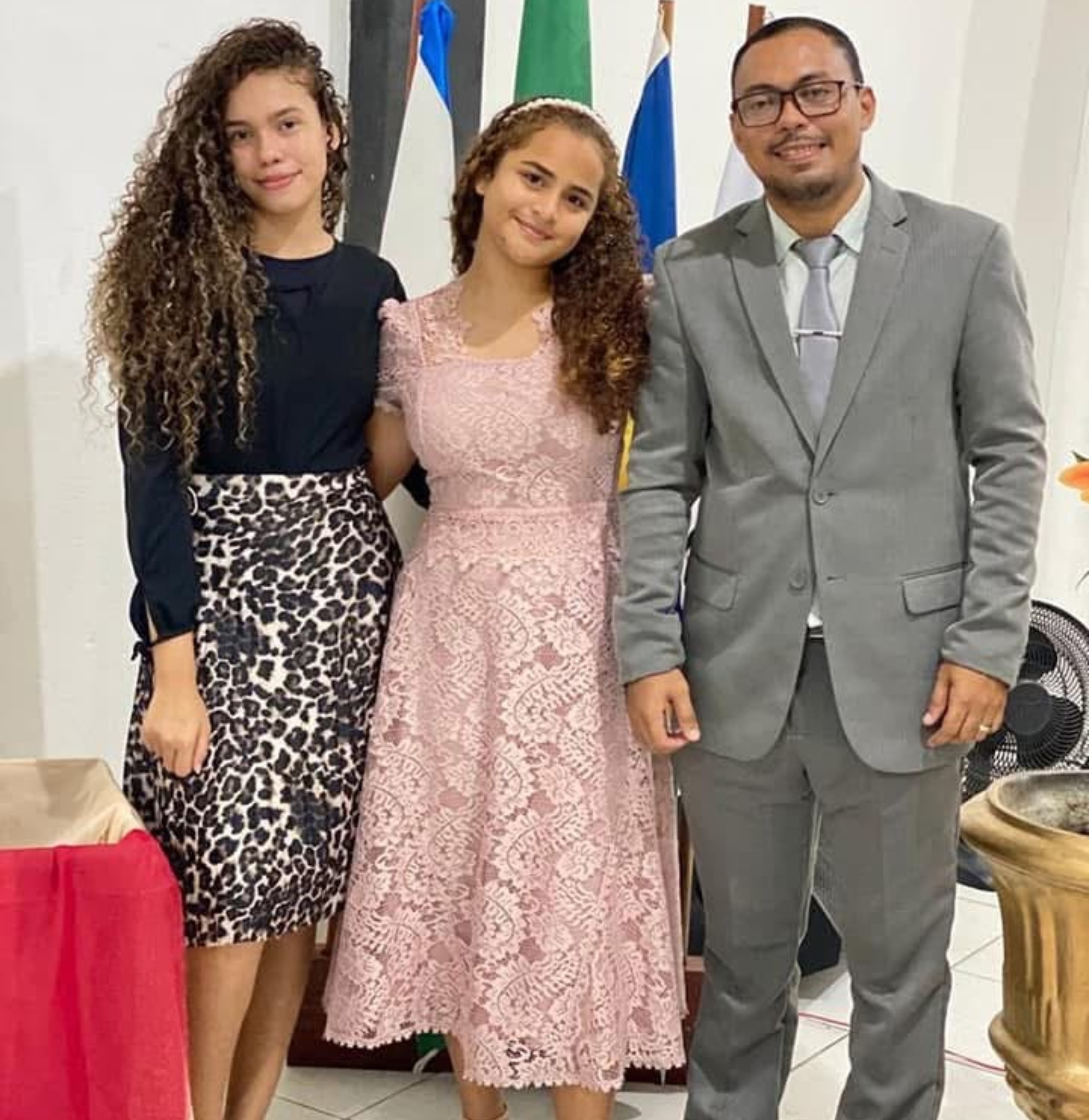
Pastor Arielly Kamila Moraes de Souza, 24, is under investigation for allegedly instructing an 18-year-old victim to delete an email account containing approximately 14,000 photos and videos. Authorities believe this action was intended to destroy evidence. Arielly and her husband, Wenderson Lima de Souza, 32, are wanted for allegedly raping at least six girls in Roraima, Brazil. Their defense claims innocence and good standing, stating they are cooperating with legal access to case files. The couple is currently fugitives. The investigation also involves Raquel Barros Lira da Silva, 20, the church's treasurer, for procedural fraud. Raquel is seen in a video, along with a victim and a 17-year-old, destroying Wenderson's cell phone with a sledgehammer, reportedly on the couple's orders. Police suspect the phone was used to record the alleged sexual crimes. Investigators stated that after learning victims had reported to the police, the couple fled to Manaus and then instructed young witnesses and victims to retrieve and destroy the phone containing evidence. The destruction video was obtained by the police. Wenderson allegedly sent a message asking a victim to retrieve an old cell phone from their home, located on church property, fearing its seizure due to containing evidence. The victim, accompanied by Raquel and another 17-year-old, retrieved the phone, and its remains were disposed of in a storm drain. Raquel is also investigated for corruption of minors, as Wenderson allegedly asked the 17-year-old to file a false police report claiming the phone was stolen. The 18-year-old who deleted the email account and helped destroy the phone is considered a victim herself, having experienced severe financial and psychological vulnerability and allegedly suffering sexual abuse from Wenderson. Wenderson faces charges including statutory rape, sexual harassment, and evidence tampering, while Arielly is charged with statutory rape, sexual harassment, and procedural fraud.
This case highlights the critical intersection of religious authority and alleged criminal behavior, raising questions about institutional accountability and the exploitation of vulnerable individuals within faith communities. The alleged destruction of evidence by the pastor and treasurer, under the direction of the accused couple, points to a potential pattern of obstructing justice and further victimizing those who have already suffered harm. The investigation's focus on procedural fraud and corruption of minors, alongside sexual offenses, suggests a complex web of alleged misconduct. Future scrutiny should examine the internal governance structures of the church and similar organizations to understand how such alleged abuses can occur and how mechanisms for reporting and addressing them can be strengthened, ensuring that congregants, particularly minors and those in vulnerable situations, are protected from exploitation and that justice is pursued effectively.
AI-generated to prompt reflection — not editorial opinion, not advice, not a statement of fact. How this works.