Pastor Acquitted of $3 Million Fraud Charges Against Church Members in Brazil
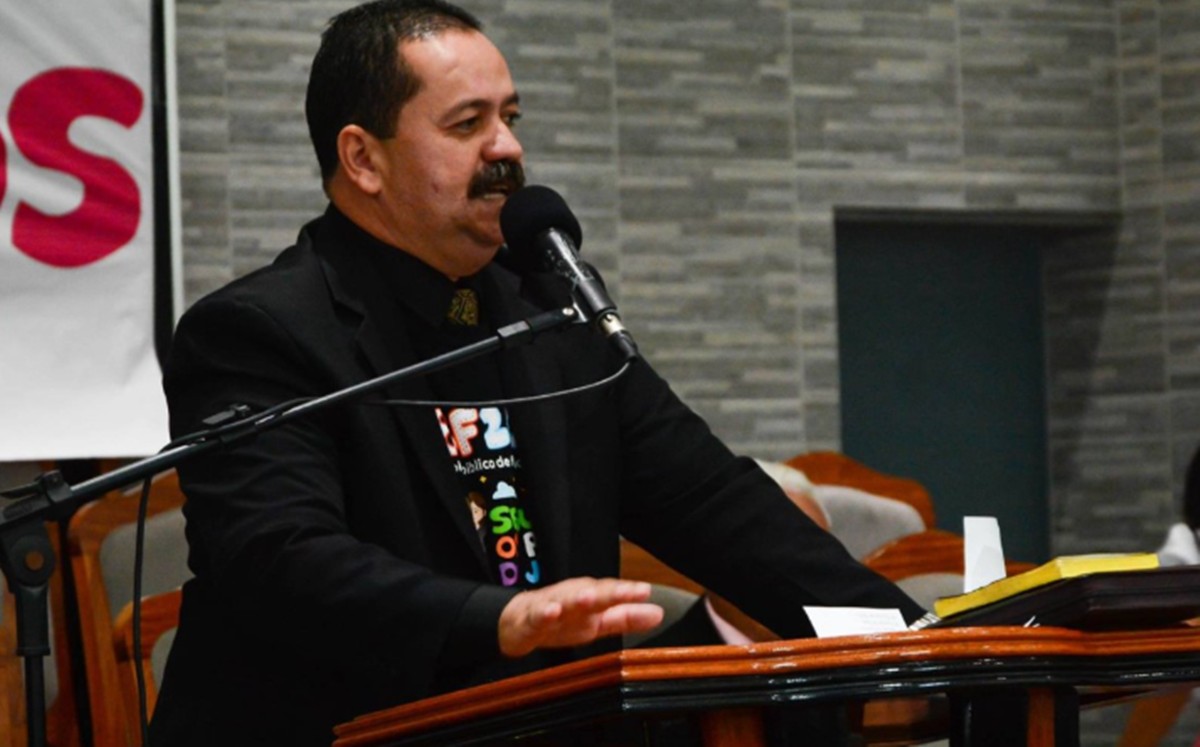
A court in João Pessoa, Brazil, has acquitted pastor Péricles Cardoso de Melo and his wife of charges related to an alleged $3 million fraud scheme targeting church members. The 3rd Criminal Court of João Pessoa, presided over by Judge Ana Christina Soares Penazzi Coelho, found that while the pastor received significant loans, credit card advances, and transfers from dozens of congregants, the prosecution failed to prove his intent to defraud from the outset. The court determined that the crime of fraud requires proof of specific, pre-existing intent, not merely a subsequent failure to repay debts. Evidence suggested the pastor initially honored some payments before defaulting, weakening the claim of a premeditated plan. The judge also noted a lack of evidence of personal enrichment and that a substantial portion of the funds were reportedly used for church improvements. The court characterized the situation as one of "financial recklessness and lack of control in managing third-party resources." The pastor's wife was also acquitted, as no evidence indicated her participation in the alleged scheme; all negotiations were reportedly handled solely by Péricles. The initial investigation involved over 30 alleged victims, and the church itself may have suffered theft amounting to approximately $17,000. One victim reported accumulating around $90,000 in debt, which has since grown to approximately $140,000 due to interest, after entrusting multiple credit cards to the pastor for alleged church reforms.
This case highlights the legal distinction between a failure to repay financial obligations and intentional fraud. The court's decision hinges on the requirement to prove a pre-existing intent to deceive, rather than concluding intent solely from the outcome of unfulfilled promises. The acquittal suggests that while financial mismanagement and significant debt accumulation occurred, the specific legal threshold for fraud, requiring demonstrable intent at the time of the transactions, was not met by the prosecution. This outcome underscores the importance of robust evidence in financial crime cases, particularly concerning the subjective element of intent. Future financial dealings within religious or community organizations may benefit from clearer governance structures and transparent financial reporting to mitigate risks and build trust, thereby preventing situations that could be misconstrued or lead to significant financial distress for individuals.
AI-generated to prompt reflection — not editorial opinion, not advice, not a statement of fact. How this works.