Pastor Recounts Sadness After US Missionary Family's Child Dies in Brazil
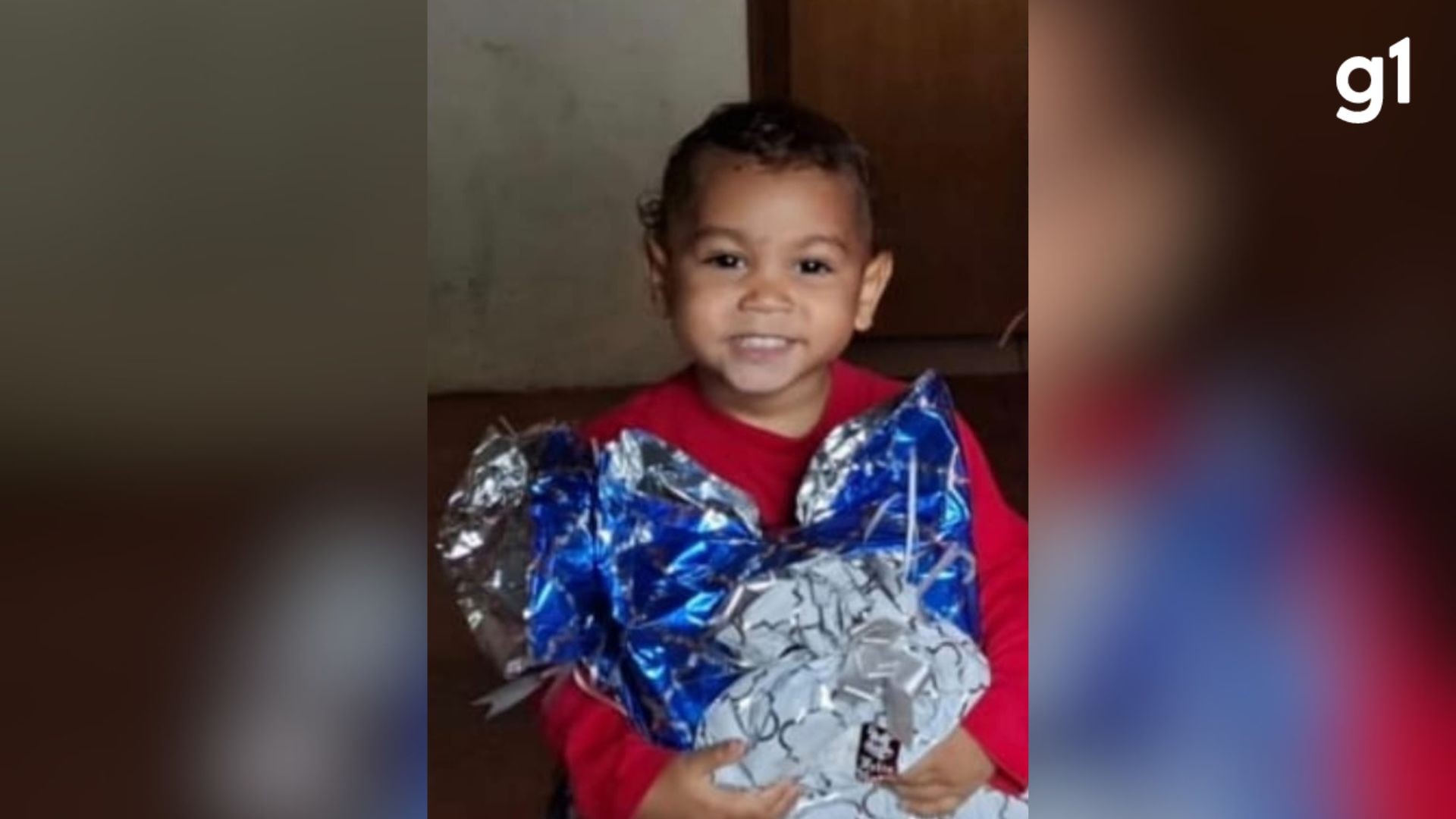
A Brazilian evangelical pastor, Carlos Roberto Vieira da Silva, has expressed his sorrow after the death of a three-year-old boy, Oliver, whose father, American missionary Dandre Jermaine Grayson, is suspected of killing him. Pastor Silva had been assisting Grayson's family, who had been living in Viamão, Rio Grande do Sul, for the past six months. He provided them with food, helped secure housing closer to their children's school, and offered transportation. The pastor described the children as affectionate, recalling how they would run to hug him when he brought them yogurt. The family had been under the care of the Viamão Child Protective Services since November 2025. Oliver's mother, Mayanna Angelina Rodgers, has also been arrested. Municipal reports indicate that authorities received alerts about alleged abuse against the children months before the incident. The family had previously been monitored in São Paulo and Santa Catarina. A health post notified the protection network on December 4, 2025, reporting a significant facial injury on one child and marks on another's arms. Thirteen days later, a social worker visited the family's residence but found no one home. The case was discussed in three municipal protection network meetings without further intervention until the suspected fatal beating of Oliver on Sunday, December 5, 2025.
This tragic event highlights systemic failures in child protection services across multiple jurisdictions. The repeated notifications and interventions, including reports of significant injuries and prior monitoring in different states, suggest a breakdown in inter-agency communication and effective follow-through. The involvement of a religious figure offering support underscores the complex social dynamics at play, where community care can coexist with severe domestic issues. The case raises critical questions about the efficacy of existing child welfare frameworks in identifying and intervening in high-risk family situations, particularly those involving transient populations or individuals with specific religious or ideological affiliations. Future considerations should focus on strengthening cross-state data sharing, improving the responsiveness of protection networks, and ensuring consistent, robust oversight to prevent such devastating outcomes.
AI-generated to prompt reflection — not editorial opinion, not advice, not a statement of fact. How this works.