Pastor's body repatriated to Brazil for burial after dying in Venezuela earthquake
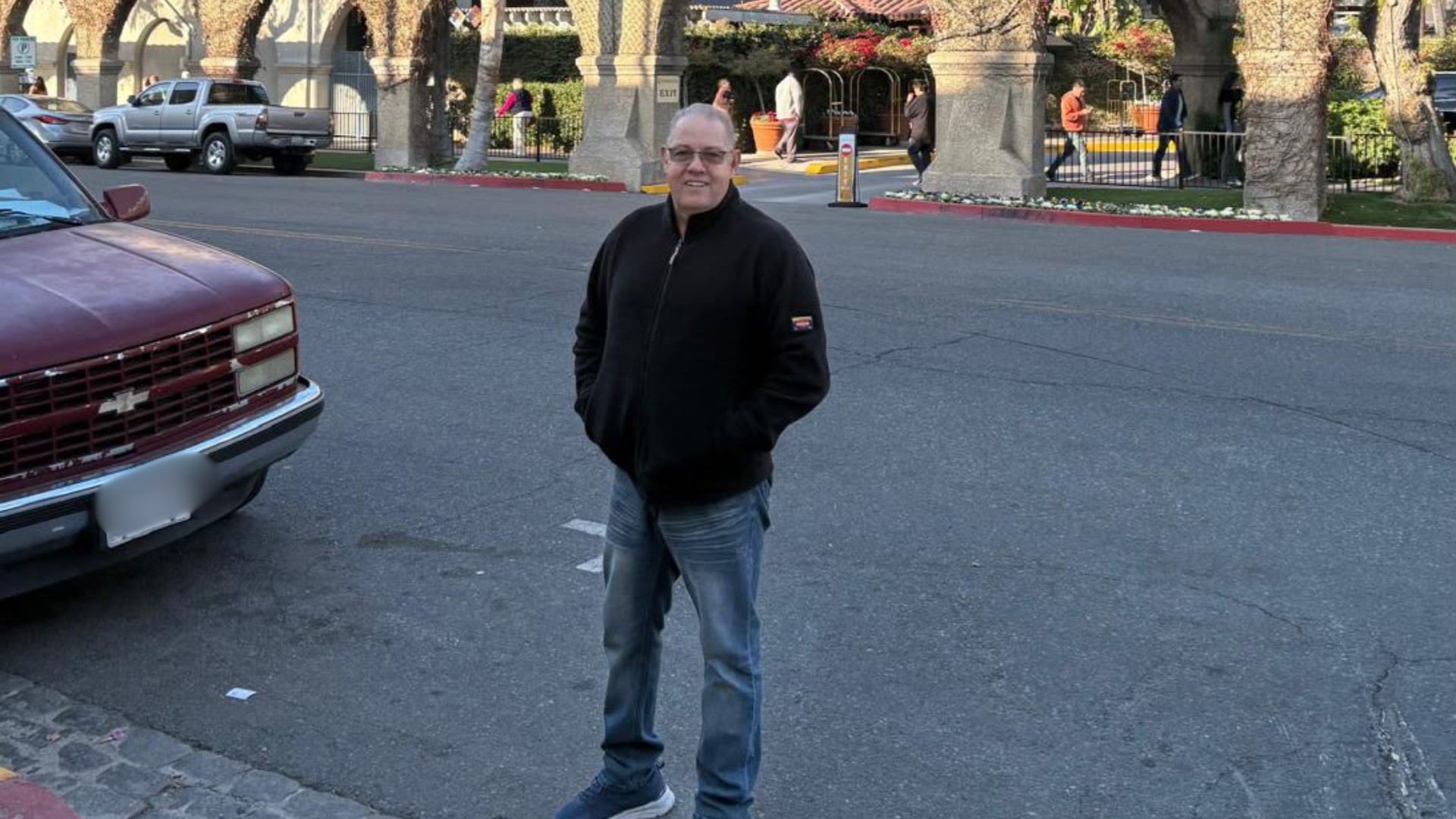
The body of 69-year-old Brazilian pastor Romildo Batista de Lima, who died during recent earthquakes in Venezuela, has arrived in Brazil for burial in Uberlândia. His family launched a crowdfunding campaign, raising approximately R$ 50,000 to cover the significant costs of repatriating his remains. Brazilian law does not cover international transport expenses, and the process is complex and expensive due to required procedures like embalming and specialized funeral services, unlike standard air travel. The total cost for repatriating bodies from abroad can range from R$ 30,000 to R$ 200,000, depending on distance and specific country requirements. Logistical challenges, including bureaucracy and air traffic restrictions in Venezuela, further delayed the pastor's repatriation. While consular death registration is free, the Brazilian government does not fund embalming, cremation, burial, or international transport, leaving these costs to families or donors. Pastor Lima was visiting his wife's family in Caracas when the earthquakes struck on Wednesday, November 24th. A wall collapsed on him and his wife, Carlha Nacarid, who was injured and remains hospitalized. He was taken to a hospital but succumbed to his injuries early Thursday, November 25th. The earthquakes were the strongest in Venezuela in over a century, causing widespread destruction, significant casualties, and thousands of disappearances.
The tragic death of Pastor Romildo Batista de Lima highlights the significant financial and logistical burdens faced by families when repatriating deceased loved ones from abroad, particularly in the aftermath of natural disasters. While consular services facilitate death registration, the absence of government funding for transport and burial underscores a systemic gap in support for citizens abroad. This event prompts consideration of international agreements or insurance mechanisms that could mitigate such costs in future crises. The incident also underscores the vulnerability of individuals in regions experiencing seismic activity, emphasizing the need for robust disaster preparedness and response infrastructure, both domestically and for citizens traveling internationally. The financial strain on the family, necessitating a public appeal, points to broader societal discussions about collective responsibility and support networks in times of extreme hardship.
AI-generated to prompt reflection — not editorial opinion, not advice, not a statement of fact. How this works.