Pastors Accused of Abusing Minors Used Church Rules to Silence Victims in Brazil
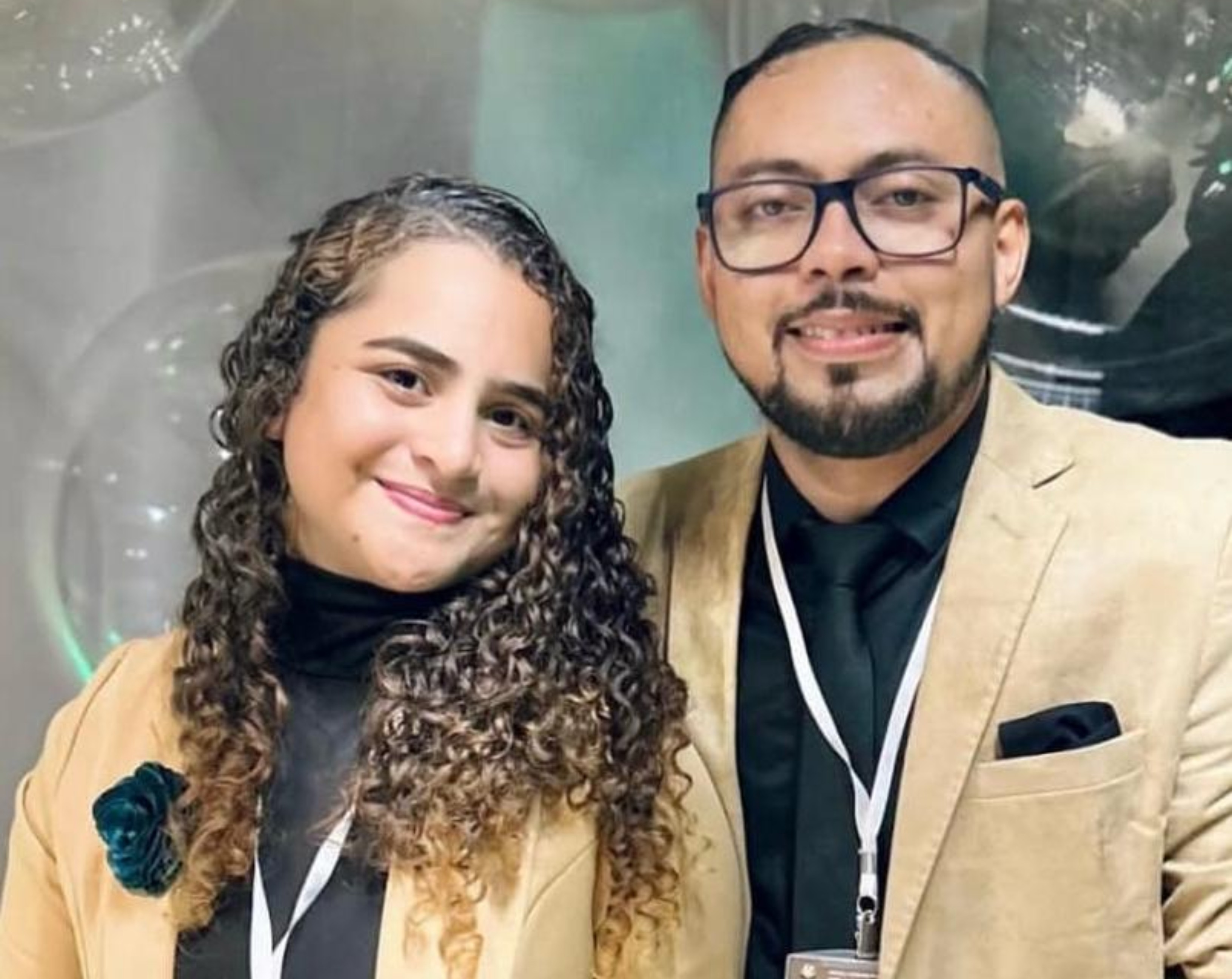
Evangelical pastors Wenderson Lima de Souza, 32, and Arielly Kamila Moraes de Souza, 24, are suspected of sexually abusing six teenage girls in Boa Vista, Roraima, Brazil. The couple allegedly used their leadership position within the church they led for five years to manipulate the victims, convincing them that the sexual acts were part of a spiritual purpose. According to the Civil Police, the pastors exploited their religious authority and the faith of the congregants to prevent accusations. A church statute, created in August 2021, reportedly contained rules designed to protect Wenderson and hinder any challenges to his leadership, with provisions for expelling members for "rebellion" or "doubtful conduct." Investigators believe this structure, combined with Wenderson's self-proclaimed status as God's "anointed" representative on Earth, created an environment where victims felt unable to resist or report the abuse. The statute designated Wenderson as the primary disciplinary authority, with a process for internal review in cases involving him, which police suggest was designed to be ineffective. Wenderson faces charges including aggravated sexual abuse, sexual harassment, and fraud, while Arielly is charged with aggravated sexual abuse and fraud. The investigation began in April following a complaint from a 14-year-old girl, with five other victims subsequently coming forward. The couple is currently fugitives, and their defense has stated they are innocent and have no prior criminal record, requesting access to the case files.
This case highlights the critical intersection of religious authority and vulnerability, particularly concerning minors. The alleged manipulation of spiritual beliefs to facilitate abuse and the subsequent use of church governance structures to suppress complaints point to systemic risks within institutions that hold significant power over their members. The investigation's focus on how the church's statutes were allegedly crafted to shield leadership underscores the importance of robust external oversight and accountability mechanisms for religious organizations. Future considerations should include developing frameworks that empower victims to report abuse without fear of reprisal and ensuring that internal disciplinary procedures do not supersede legal obligations to protect vulnerable individuals. The psychological impact on adolescent victims, who seek belonging and protection within these communities, is profound and requires specialized support.
AI-generated to prompt reflection — not editorial opinion, not advice, not a statement of fact. How this works.