Pastors Suspected of Raping Minors in Roraima Are Fugitives
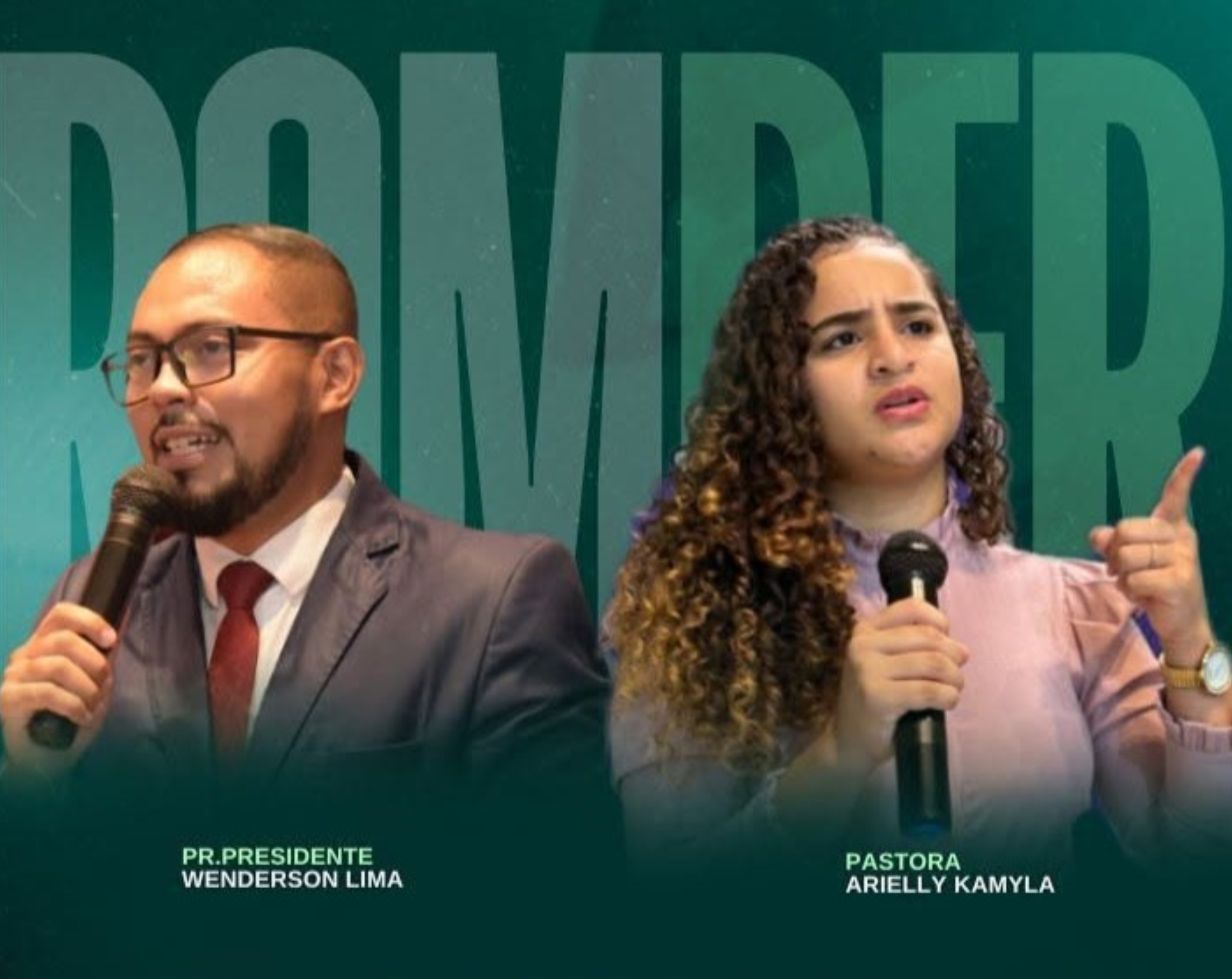
Evangelical pastors Wenderson Lima de Souza, 32, and Arielly Kamila Moraes de Souza, 24, are fugitives after a court ordered their preventive arrest. They are under investigation for allegedly raping at least six girls in Roraima, Brazil. According to the Civil Police, the couple exploited their religious leadership and followers' faith to manipulate victims. The authorities believe the pastors are currently in Manaus, Amazonas, where Wenderson has family. Six victims, aged between 12 and 17, have been identified, with five other girls showing signs of abuse but not filing official complaints. The police report details a systematic chain of manipulation, abuse of religious authority, blackmail, and psychological coercion, emphasizing the severity of the crimes due to the victims' reverence for the pastors. Wenderson is facing charges including statutory rape, sexual harassment, facilitating sexual exploitation, and others, while Arielly is investigated for statutory rape, sexual harassment, and procedural fraud. The investigation began in April following a complaint from a 14-year-old girl, leading to subsequent reports from other victims. The police described how Arielly would approach and befriend the girls, while Wenderson used religious interpretations to convince them that the sexual acts had a spiritual purpose. The couple founded a non-profit evangelical church in Boa Vista in 2022, with Wenderson as president and Arielly as vice-president, focusing their sermons on family and biblical teachings.
This case highlights the critical vulnerability of religious communities to exploitation when leadership positions are misused. The alleged systematic manipulation of minors through spiritual authority and psychological coercion underscores a profound breach of trust. Investigations into such cases require careful consideration of the power dynamics inherent in religious institutions and the potential for fear and reverence to silence victims. Moving forward, strengthening oversight mechanisms within religious organizations and providing accessible, trauma-informed support for victims are essential systemic safeguards. The long-term societal challenge lies in fostering environments where faith can be a source of genuine guidance and support, rather than a tool for abuse, particularly in an era where digital platforms can amplify both positive and negative influences.
AI-generated to prompt reflection — not editorial opinion, not advice, not a statement of fact. How this works.