Patagonia's Ancient Alerce Tree: Second Oldest of Its Species Globally
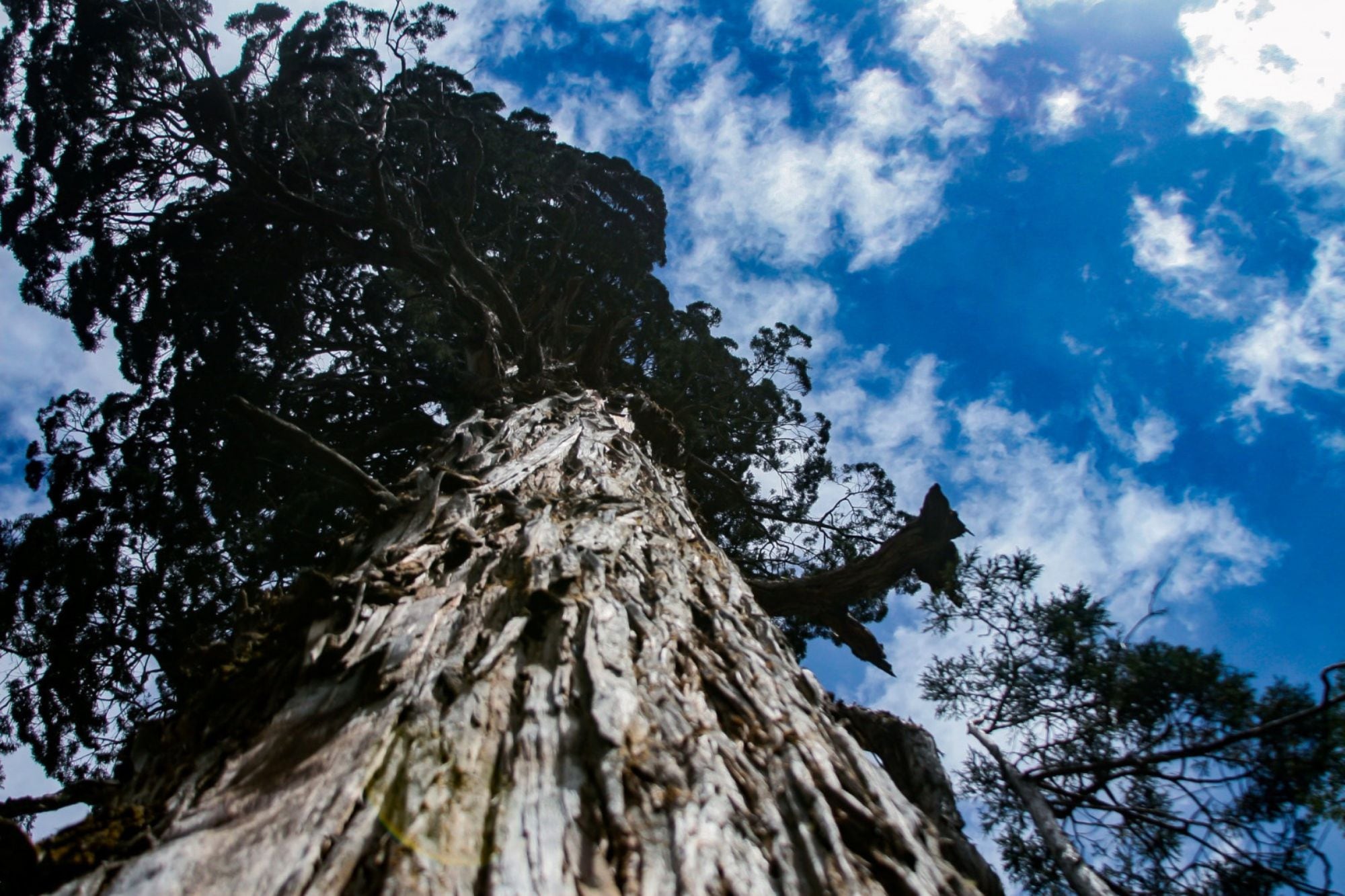
An ancient Alerce tree, known as the 'Grandfather Alerce' (Alerce Abuelo), is located in a national park in Argentinian Patagonia. This remarkable specimen is recognized as one of the oldest living organisms on Earth. It holds the distinction of being the second-oldest known individual of its species worldwide. The tree's immense age highlights the ecological significance and longevity found within natural environments. Its presence in a protected national park underscores the importance of conservation efforts for preserving such ancient natural wonders. The discovery and recognition of the Grandfather Alerce contribute to our understanding of ancient ecosystems and the potential lifespan of trees. It serves as a living testament to the passage of time and the resilience of nature. Further study of this tree could provide valuable insights into climate history and forest ecology.
The recognition of the 'Grandfather Alerce' as the second-oldest of its species emphasizes the critical role of protected areas in preserving ancient biological specimens. This discovery prompts reflection on the long-term ecological value of such trees, which can serve as invaluable archives of past environmental conditions. Future conservation strategies might consider enhanced monitoring and research protocols for these ancient organisms, potentially yielding insights into climate change resilience and forest dynamics over millennia. The existence of such long-lived trees also raises questions about sustainable resource management and the ethical considerations of interacting with organisms that have witnessed centuries of change.
AI-generated to prompt reflection — not editorial opinion, not advice, not a statement of fact. How this works.