Patient Awarded $8,000 After 8cm Wooden Splinter Left in Leg Post-Surgery
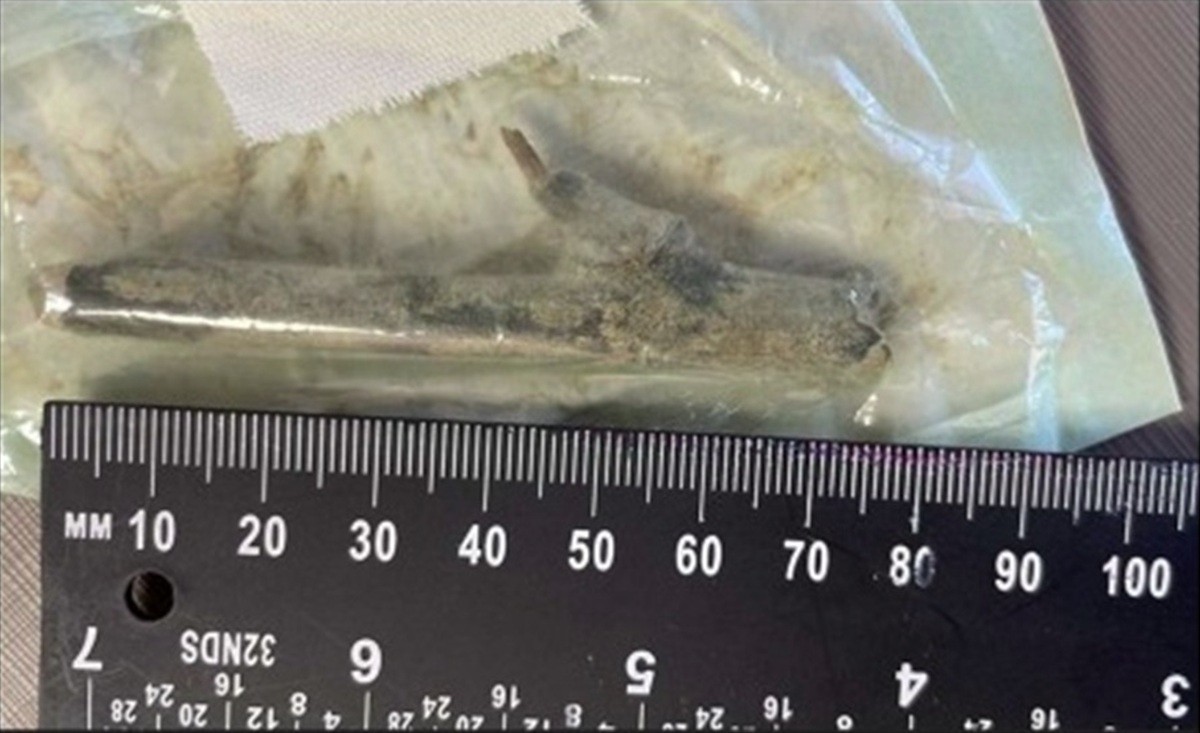
A patient in Içara, Santa Catarina, Brazil, will receive 8,000 Brazilian Reais (R$) in moral damages, plus reimbursement for medical expenses, after a medical error left an 8-centimeter piece of wood inside his thigh. The incident occurred in 2013 when the man suffered an accident while cutting a tree and sought treatment at a local hospital. His wound was sutured without sufficient examination to detect the foreign object. The following day, experiencing pain, swelling, and signs of infection, the patient sought care at a hospital in the neighboring city of Criciúma. Subsequent examinations revealed the wooden splinter, necessitating hospitalization and surgery for its removal. A judicial medical expert concluded that the injury was not properly examined to locate the fragment and that its presence contributed to the infection and the need for surgery. The court ruled that the hospital failed to conduct adequate assessments and order necessary complementary exams, despite the nature of the accident involving wood. The municipality and the Içara Social Hospital Foundation are the defendants in the case. The patient's lawyer intends to appeal the decision, arguing that the aesthetic damage was not considered and that the awarded compensation for moral and material damages is insufficient and disproportionate, failing to serve its punitive and educational purpose. The total material damages awarded were R$712.09, with both moral and material sums subject to interest and monetary correction.
This case highlights critical issues in medical diagnostic protocols and patient care. The judicial finding that insufficient examination led to a retained foreign body and subsequent infection underscores the importance of thorough pre-operative assessments and the appropriate use of imaging technologies, especially when the mechanism of injury suggests potential embedded material. The patient's legal team's intent to appeal suggests a potential disconnect between the court's assessment of damages and the full impact of the medical negligence, including aesthetic harm and the long-term consequences of infection. From a systemic perspective, such incidents point to the need for continuous training and quality assurance within healthcare institutions to prevent avoidable errors, ensuring that compensation serves not only to redress harm but also to incentivize robust patient safety measures and adherence to best practices in medical practice.
AI-generated to prompt reflection — not editorial opinion, not advice, not a statement of fact. How this works.