Patrick Modiano's 'The Ballerina' Explores Reality and Fiction
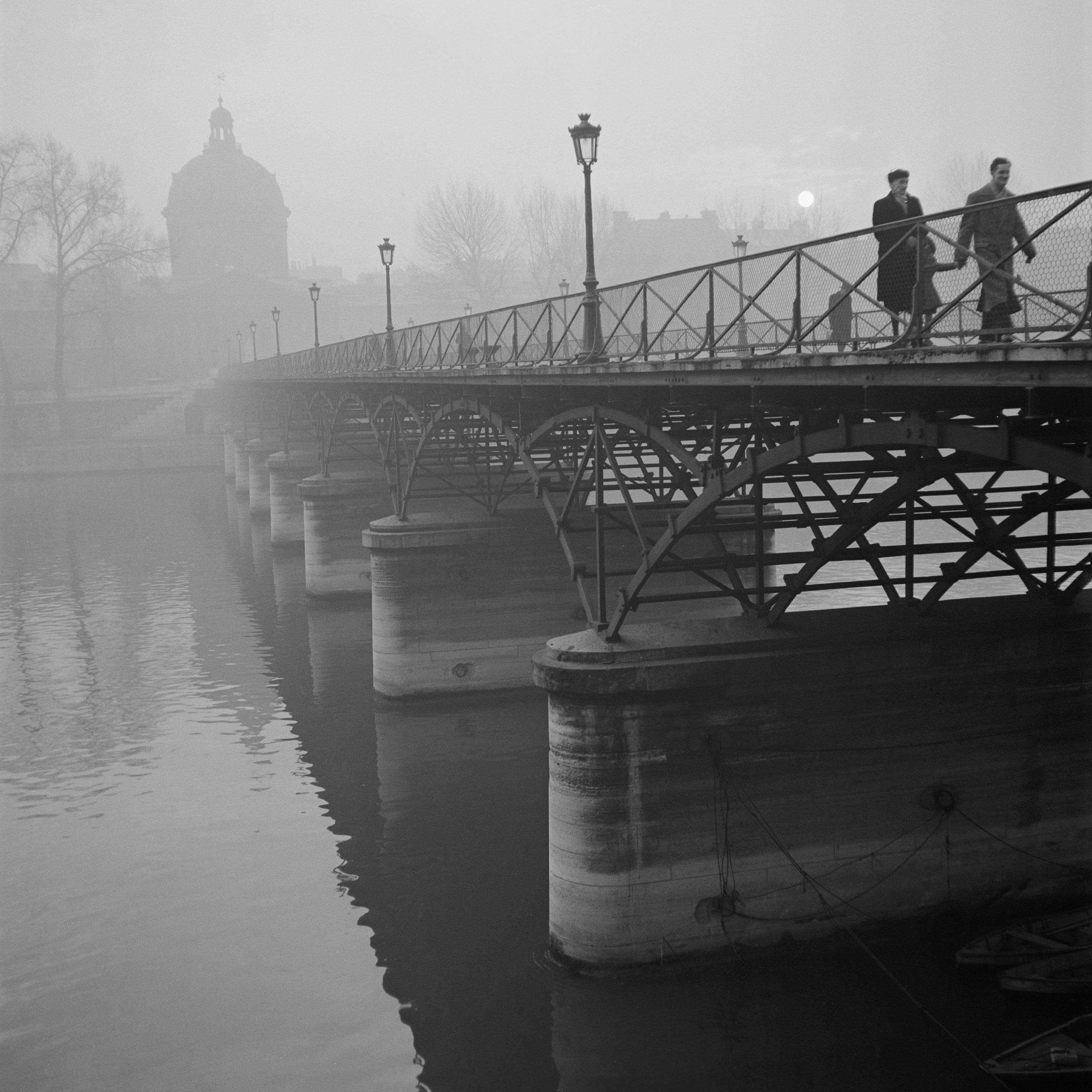
French Nobel laureate Patrick Modiano's latest work, 'La bailarina' (The Ballerina), delves into the interplay between reality and fiction. The novel is characterized by its delicate and nostalgic tone, a hallmark of Modiano's writing. Readers are invited to explore themes of memory and perception as the narrative unfolds. The book's title suggests a central character or motif related to dance or performance. Modiano, known for his exploration of identity and the past, continues to engage with these complex subjects in his new offering. The Parisian setting, often a significant element in his works, likely plays a role in shaping the story's atmosphere. The novel promises a thoughtful examination of how we construct our understanding of the world through personal narratives and imagined experiences. 'The Ballerina' offers a literary journey into the subtle nuances of human consciousness and the elusive nature of truth.
Patrick Modiano's 'The Ballerina' continues his established literary practice of examining subjective reality and the construction of memory. The novel's focus on the blurred lines between fiction and lived experience invites reflection on how narrative shapes individual and collective identities. In an era increasingly defined by digital information and curated online personas, Modiano's exploration of authenticity and perception offers a timely counterpoint. The work prompts consideration of the enduring human need for storytelling and its power to both reflect and create the worlds we inhabit, suggesting that the 'reality' we perceive is often a carefully woven tapestry of personal and imagined threads.
AI-generated to prompt reflection — not editorial opinion, not advice, not a statement of fact. How this works.