Pattern of Alcohol, Drugs, and Speed Cited in Luxury Car Accidents in São Paulo
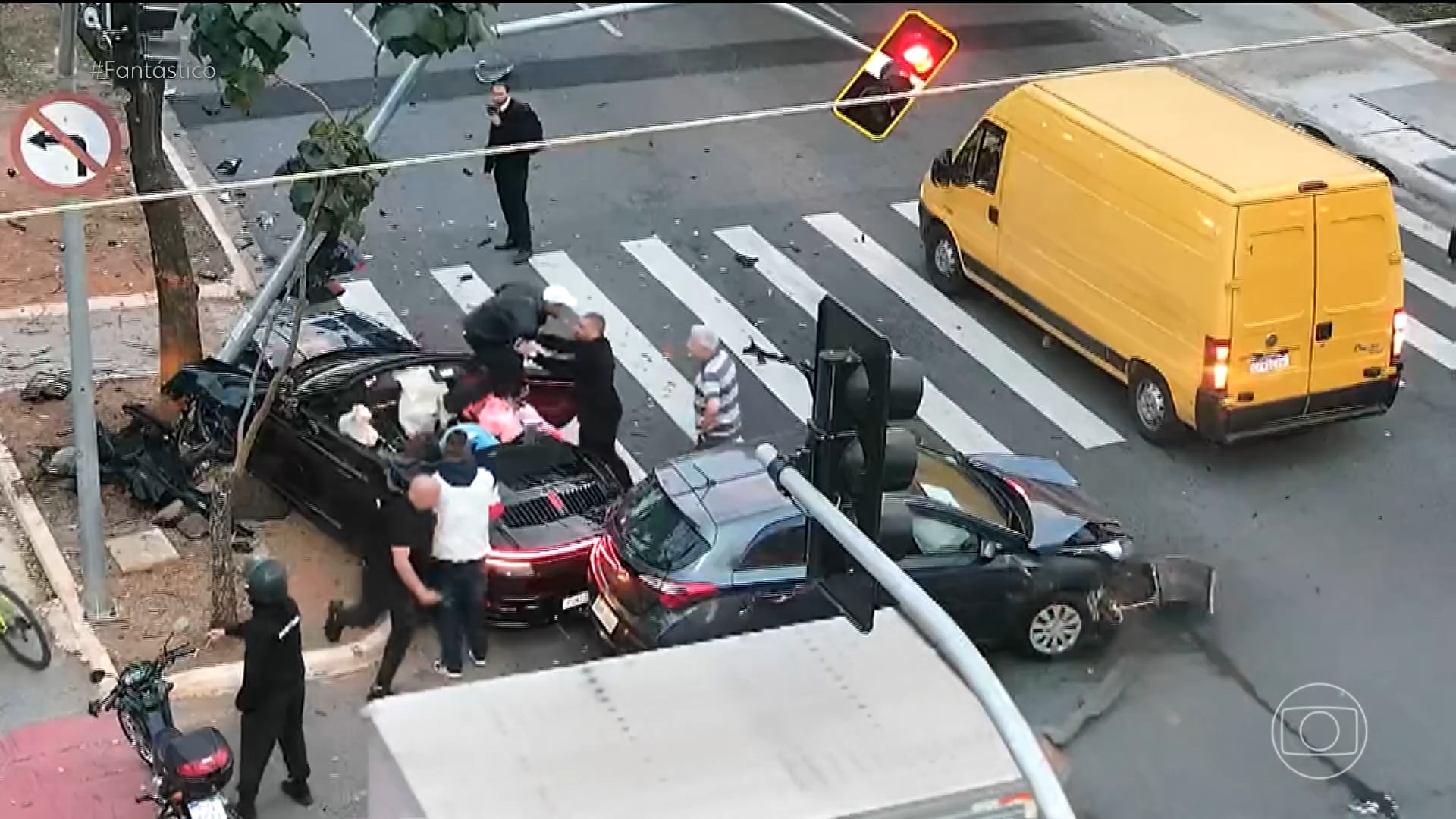
A recurring pattern of alcohol consumption, suspected drug use, and excessive speed has been identified in accidents involving luxury vehicles in São Paulo, Brazil. This observation is based on police reports, investigations, and judicial proceedings documented by Fantástico. These incidents have tragically resulted in fatalities and left victims' families facing lengthy legal battles for compensation.
Among the cases highlighted is the death of 19-year-old Diego da Silva, a garbage collector, who was struck by a car driven by 53-year-old businessman Guo Feng Huang. Police reported Huang exhibited clear signs of intoxication at the scene. Another fatal incident involved 50-year-old Military Police Sergeant Fábio Pereira de Souza, who was killed when a luxury car, driven by 22-year-old Bruno Yasu Shimizu, collided with his motorcycle while traveling in the wrong lane. Shimizu had a prior fatal accident in 2020 at the age of 16.
Further examples include an accident involving influencer Samuel Santana, known as Gato Preto, who allegedly ran a red light in his Porsche after consuming alcohol and drugs. The case is ongoing, with footage showing individuals removing items from the car before authorities arrived. In 2019, 65-year-old Aldenilce Bernardina was hit by a car driven by businessman Fábio Alonso, who reportedly left a nightclub after consuming alcohol. Alonso faces charges for intentional homicide and has a history of fatal accidents. Additionally, a street race in 2018 between a Mercedes and a Camaro on Rodovia dos Imigrantes resulted in the deaths of two women and severe injuries to others when one of the racing cars collided with a family's vehicle. The driver, André Micheletti, was convicted but is appealing the sentence. In many of these cases, families report that court-ordered compensation has yet to be paid.
The recurring factors of alcohol, suspected drug use, and high speed in fatal accidents involving luxury vehicles in São Paulo suggest systemic issues in enforcement, judicial process, and potentially, social attitudes towards accountability for affluent drivers. The long delays and non-payment of compensation to victims' families highlight potential disparities in the justice system's efficacy and equitable application. Examining the incentives and regulatory frameworks governing vehicle operation, particularly for high-performance cars, and the mechanisms for ensuring swift and fair restitution for victims could reveal opportunities for improved public safety and justice. Future considerations may involve stricter penalties, more robust enforcement technologies, and streamlined compensation processes that are less susceptible to prolonged appeals or non-compliance, ensuring that the privilege of operating powerful vehicles does not supersede the fundamental right to safety for all citizens.
AI-generated to prompt reflection — not editorial opinion, not advice, not a statement of fact. How this works.
