Paula Blasi's Tour de France Ambitions Clash with UAE Team's Leadership Strategy
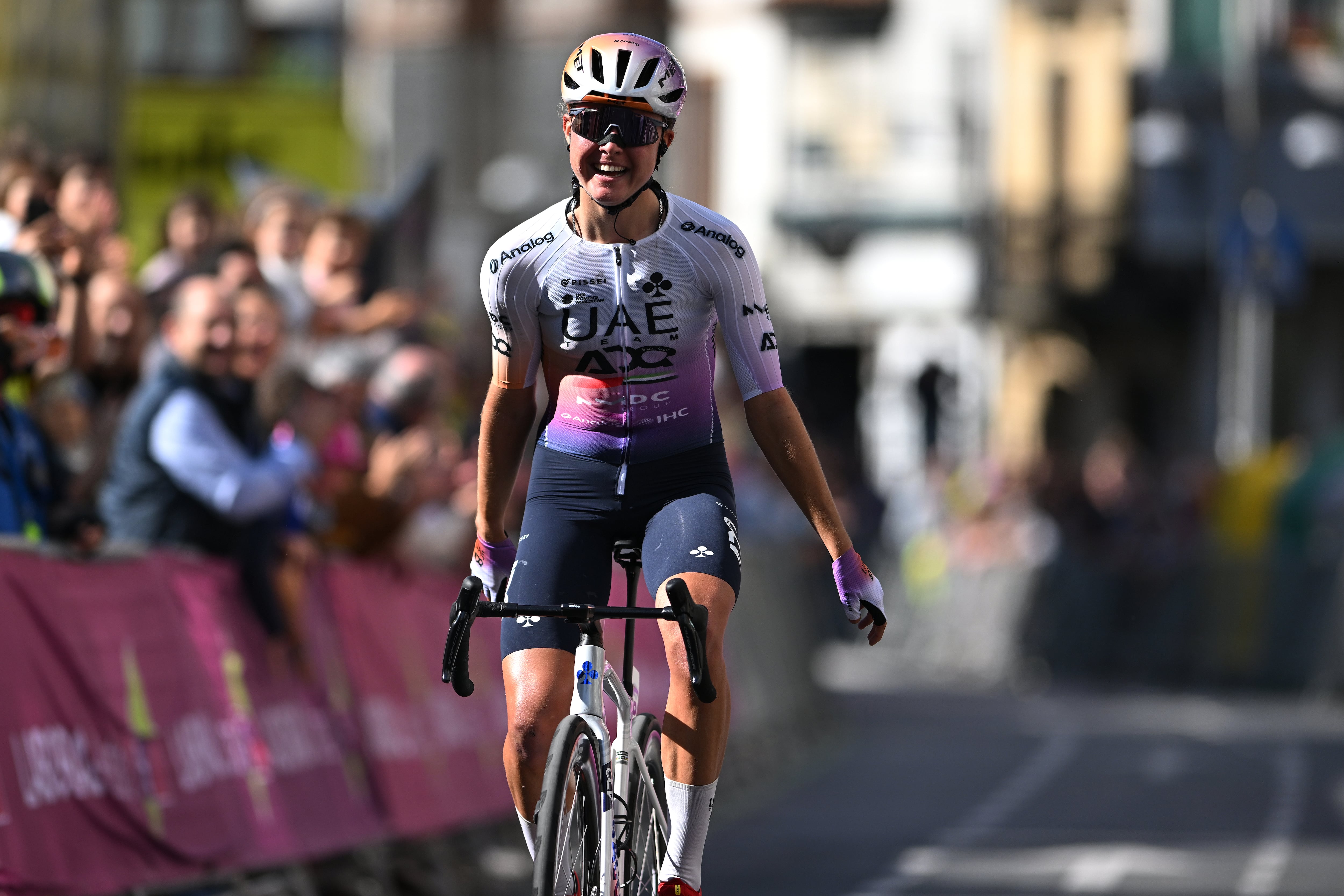
Paula Blasi, the winner of the Vuelta, is widely believed to have the potential to win the Tour de France. However, her own team, UAE, appears to have relegated her to a support role for two designated leaders in the upcoming "grande boucle." The prestigious cycling race is set to commence this Saturday, featuring the iconic Mont Ventoux as a mythical summit.
Despite Blasi's demonstrated capabilities, the team's strategy positions her as a domestique, a rider who assists the main contenders. This decision stands in contrast to the public perception of her winning potential. The Tour de France, a major event in the cycling calendar, will test this team dynamic and Blasi's individual performance within the imposed structure.
The strategic decision by the UAE team to assign Paula Blasi a support role in the Tour de France, despite her recognized winning potential from the Vuelta, highlights a common tension between individual talent and team objectives in professional sports. This approach may stem from a risk-averse team management strategy, prioritizing established leadership or a desire to protect a less experienced rider from the immense pressure of a Grand Tour win. Alternatively, it could reflect a long-term development plan for Blasi, aiming to build her experience and tactical understanding as a domestique before entrusting her with outright leadership. The coming decade, with its increasing focus on data analytics and performance optimization, will likely see teams continually refining such strategic balancing acts, weighing immediate race outcomes against the sustainable development of their athletes.
AI-generated to prompt reflection — not editorial opinion, not advice, not a statement of fact. How this works.