Paula Modersohn-Becker: A Mirror for Contemporary Europe
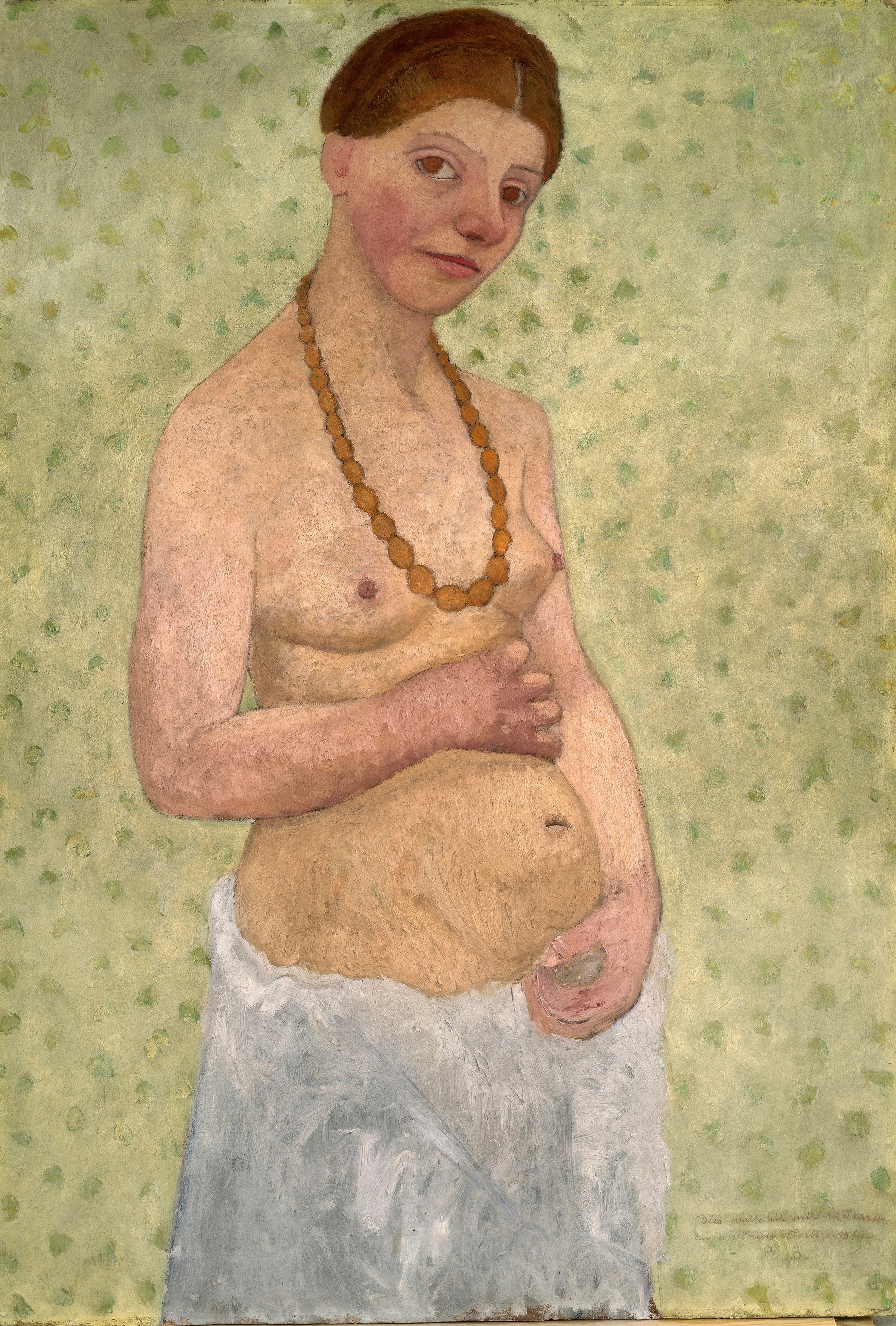
This year marks the 150th anniversary of the birth of Paula Modersohn-Becker, a significant German artist whose work offers a poignant reflection on the present day. Her art, characterized by a sense of helplessness, now mirrors the perplexity many feel in a world perceived as adrift. Modersohn-Becker, a pioneering figure in early Expressionism, produced a body of work that continues to resonate with viewers, exploring themes of identity, motherhood, and the human condition with unflinching honesty. Her distinctive style, often featuring bold brushstrokes and a subdued palette, conveyed deep emotional intensity. The exhibition and commemorations surrounding her 150th birthday aim to reintroduce her powerful vision to a contemporary audience. The enduring relevance of her art suggests that the struggles and insights she captured are not confined to her time but speak to universal human experiences. Her legacy invites a deeper contemplation of our own place in a complex and often disorienting global landscape. The artist's profound introspection serves as a powerful lens through which to examine the anxieties and uncertainties of our current era.
The enduring power of Paula Modersohn-Becker's art, particularly as it marks her 150th birth anniversary, highlights a recurring human need to process existential unease through creative expression. Her 'helpless gaze' serves as a potent symbol, reflecting not just the artist's personal struggles but also a collective contemporary bewilderment with global instability. This phenomenon underscores how art can function as a societal mirror, allowing individuals and cultures to confront shared anxieties. In an era increasingly defined by rapid technological change and complex geopolitical shifts, the introspection offered by artists like Modersohn-Becker provides a crucial counterpoint to the often overwhelming pace of modern life. Her work prompts reflection on how societies grapple with uncertainty and the potential for art to foster empathy and understanding across generations.
AI-generated to prompt reflection — not editorial opinion, not advice, not a statement of fact. How this works.