Pauline Hanson Criticized for 'White Australia' Remarks After Attending Luxury Fashion Show
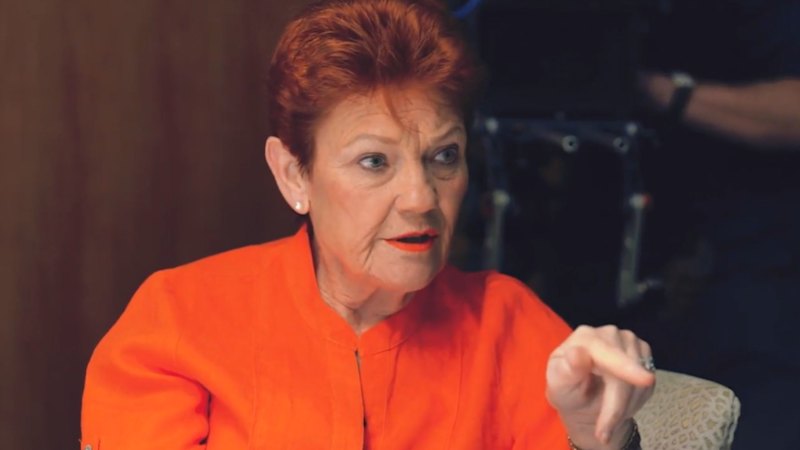
Senator Pauline Hanson has faced significant backlash following recent comments about a 'White Australia' policy, which have drawn criticism in light of her attendance at a high-profile event. Images surfaced this week showing Hanson at a luxurious Dolce & Gabbana fashion show held in Sicily, Italy. During the event, she was seen interacting with notable figures, including mining magnate Gina Rinehart, and other celebrities. The juxtaposition of her public statements on immigration and national identity with her presence at an exclusive international fashion event has fueled the controversy. Critics argue that her actions and associations appear to contradict the exclusionary sentiments expressed in her remarks. The event itself was described as lavish, highlighting a stark contrast to the domestic political discourse surrounding Hanson's policy positions. This incident has reignited debate about her political stances and public image.
The public scrutiny of Senator Hanson's remarks, juxtaposed with her attendance at an exclusive international event, highlights a potential disconnect between political messaging and personal conduct. This situation invites analysis of how political figures navigate public perception, particularly when their actions might be perceived as inconsistent with their stated policy positions. Examining the incentive structures that might lead to such apparent contradictions—whether driven by personal enjoyment, networking opportunities, or strategic positioning—can offer insight into the complexities of political branding and public trust in the digital age. Furthermore, considering the broader societal implications of 'White Australia' policy rhetoric in a globalized context, especially in relation to cultural exchange and international relations, provides a framework for understanding the enduring debates surrounding national identity and immigration.
AI-generated to prompt reflection — not editorial opinion, not advice, not a statement of fact. How this works.