Pauline Hanson regrets end of White Australia policy, praises daughter's leadership
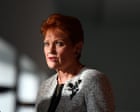
Australian politician Pauline Hanson recently appeared on a podcast hosted by far-right British activist Tommy Robinson. During the interview, Hanson expressed regret over the abolition of the White Australia policy, suggesting its end has led to current migration issues. She also made unsubstantiated claims regarding the spread of Sharia law and accused Muslim communities of exploiting the National Disability Insurance Scheme, without providing evidence for these assertions. Hanson stated that her daughter, Lee Hanson, represents the future leadership of her political party, One Nation. The One Nation leader is currently in the UK for conferences and a personal holiday, reportedly accompanied by billionaire benefactor Gina Rinehart. This appearance on Robinson's podcast, which took place on Friday, has drawn attention due to the controversial nature of both individuals and the unsubstantiated claims made.
This event highlights the ongoing tension between national identity narratives and multiculturalism. Pauline Hanson's commentary on the White Australia policy and her unsubstantiated claims about migrant communities reflect a segment of public discourse that questions the integration outcomes of current immigration policies. From a systems perspective, such rhetoric can influence public opinion and policy debates, potentially exacerbating social divisions. The framing of these issues, particularly when amplified by figures associated with far-right movements, warrants scrutiny for its impact on social cohesion and evidence-based policymaking. Future policy development will need to navigate these narratives by focusing on inclusive integration strategies and robust data to counter misinformation.
AI-generated to prompt reflection — not editorial opinion, not advice, not a statement of fact. How this works.