Pauline Hanson's Party Faces Declining Support as Policies Echo Establishment
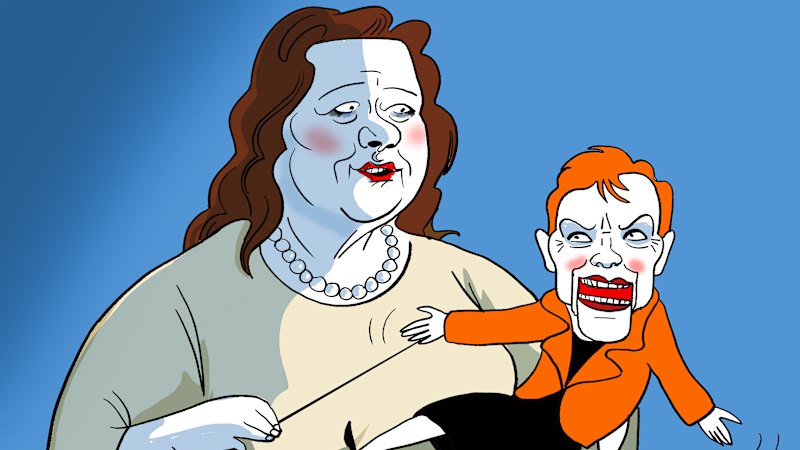
Pauline Hanson, leader of the One Nation party, is reportedly experiencing a decline in public support. This waning enthusiasm appears to stem from a perception that her party's current policy positions and rhetoric are beginning to resemble those of the traditional political establishment, the very entity One Nation was founded to oppose. Hanson's political movement gained traction by positioning itself as an anti-establishment force, appealing to voters disillusioned with mainstream politics. However, the recent shift in tone or policy direction is now leading to criticism that the party is losing its distinct identity. This development suggests a challenge for Hanson as she navigates the complexities of maintaining an anti-establishment platform while potentially engaging with or adopting elements of the political mainstream. The article implies that this perceived convergence with the 'old order' is a direct cause of the diminishing support for her party.
The dynamics described suggest a common challenge for populist movements: the tension between maintaining a radical, anti-establishment identity and the practicalities of governance or achieving broader political influence. As such movements gain traction, they may find themselves adopting more conventional policy approaches or rhetoric to appeal to a wider electorate or to engage with established institutions. This can create an internal contradiction, alienating the core base that was attracted by the initial disruptive message. Future political strategies will likely need to balance the need for broad appeal with the imperative to retain authentic differentiation from the established political landscape, especially in an era where voter disillusionment with traditional parties remains a significant factor.
AI-generated to prompt reflection — not editorial opinion, not advice, not a statement of fact. How this works.