Payment Card for Refugees Criticized as Anti-Inclusion
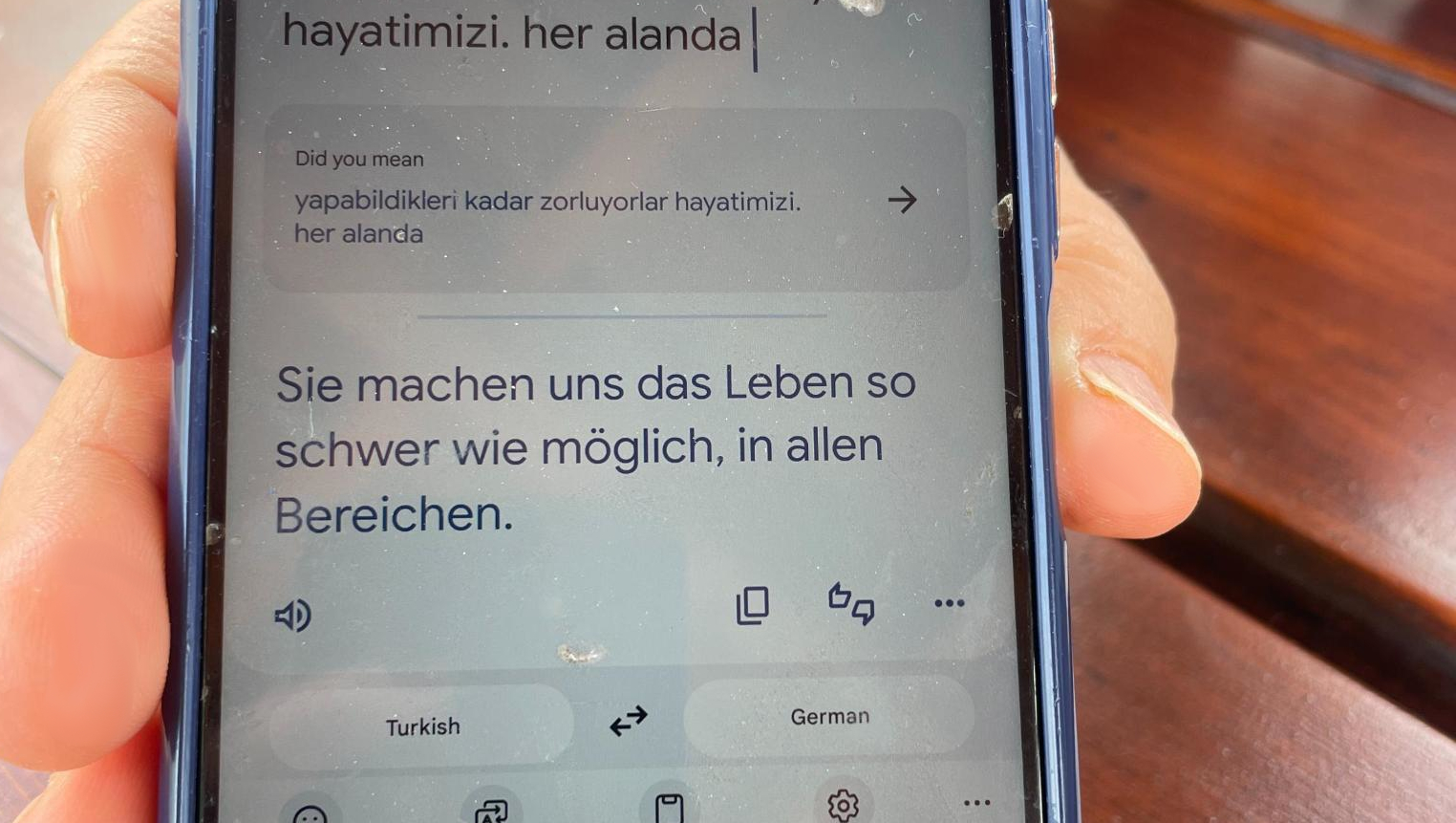
Refugees in Germany are facing significant restrictions with the introduction of a payment card, limiting their ability to shop online or visit flea markets. Sociologist Alexandra Keiner from the Weizenbaum Institute, who researches the control of migrants through financial infrastructure, has documented the experiences of those affected by these cards. She reports that life with the payment card is expensive and dictated by others, hindering integration and autonomy. Keiner's research suggests that this system, which imposes financial controls, could potentially be extended to other groups in the future. The card system is described as the "opposite of inclusion," creating barriers rather than fostering integration for refugees. This financial tool raises concerns about the broader implications for migrant populations and their access to essential goods and services. The limitations imposed by the card system highlight ongoing debates about the integration policies for asylum seekers in Germany.
The implementation of payment cards for refugees introduces a layer of financial control that may inadvertently create systemic barriers to integration. While intended to manage resources, such systems can foster dependency and limit economic participation, potentially contradicting broader inclusion goals. Future policy considerations should examine the long-term effects of such financial instruments on social cohesion and individual autonomy, particularly in light of evolving digital economies. Evaluating alternative approaches that empower individuals while ensuring accountability could offer more sustainable pathways toward integration and self-sufficiency.
AI-generated to prompt reflection — not editorial opinion, not advice, not a statement of fact. How this works.