PC Component Sellers Accused of Passing Off Outdated Parts as New
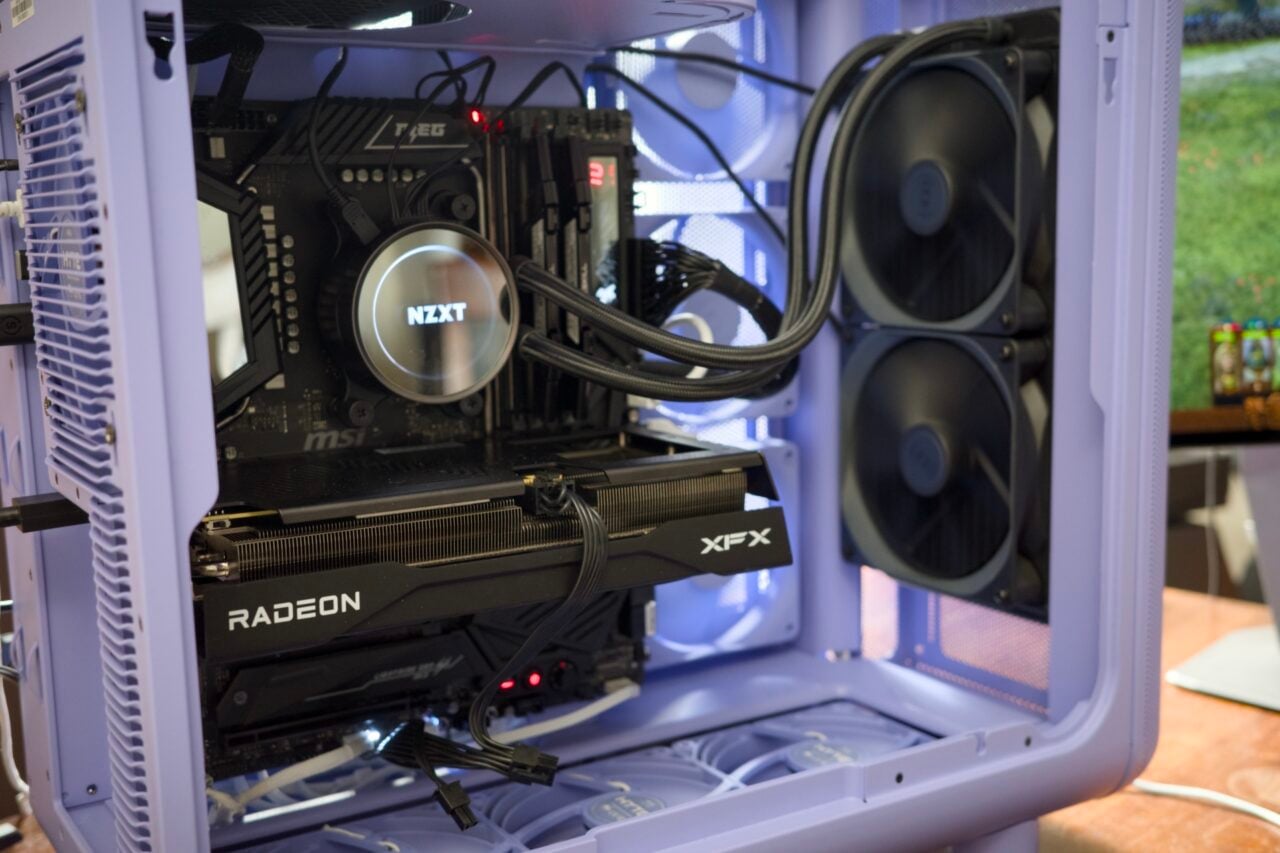
Concerns are rising that some companies in the PC component market are engaging in questionable practices by selling older, outmoded hardware to consumers as if they were new. Reports suggest that manufacturers like Gigabyte are among those allegedly pushing consumers towards 'upgrades' that involve components that are already considered obsolete. This practice raises questions about consumer protection and fair market competition. Customers expecting to purchase the latest technology may instead be receiving hardware that offers diminished performance and longevity compared to current standards. The situation highlights a potential disconnect between manufacturer incentives and consumer expectations for modern computing capabilities. It prompts a need for greater transparency in product labeling and sales practices within the electronics industry. Consumers are advised to exercise caution and thoroughly research product specifications before making purchases to ensure they are acquiring up-to-date technology.
The reported practice of selling older PC components as new raises critical questions about market transparency and consumer trust. This dynamic may reflect an incentive structure where manufacturers seek to offload existing inventory, potentially obscuring the obsolescence of certain parts to maintain sales volumes. Such strategies, while potentially profitable in the short term, risk eroding consumer confidence and could lead to regulatory scrutiny regarding fair trade practices. Moving forward, clearer product lifecycle disclosures and robust consumer protection mechanisms will be essential to navigate the rapid pace of technological advancement and ensure buyers receive genuine value, particularly as AI integration demands increasingly sophisticated hardware.
AI-generated to prompt reflection — not editorial opinion, not advice, not a statement of fact. How this works.
