PCO Party Nominates Cesar Pontes for Governor of Rio Grande do Sul
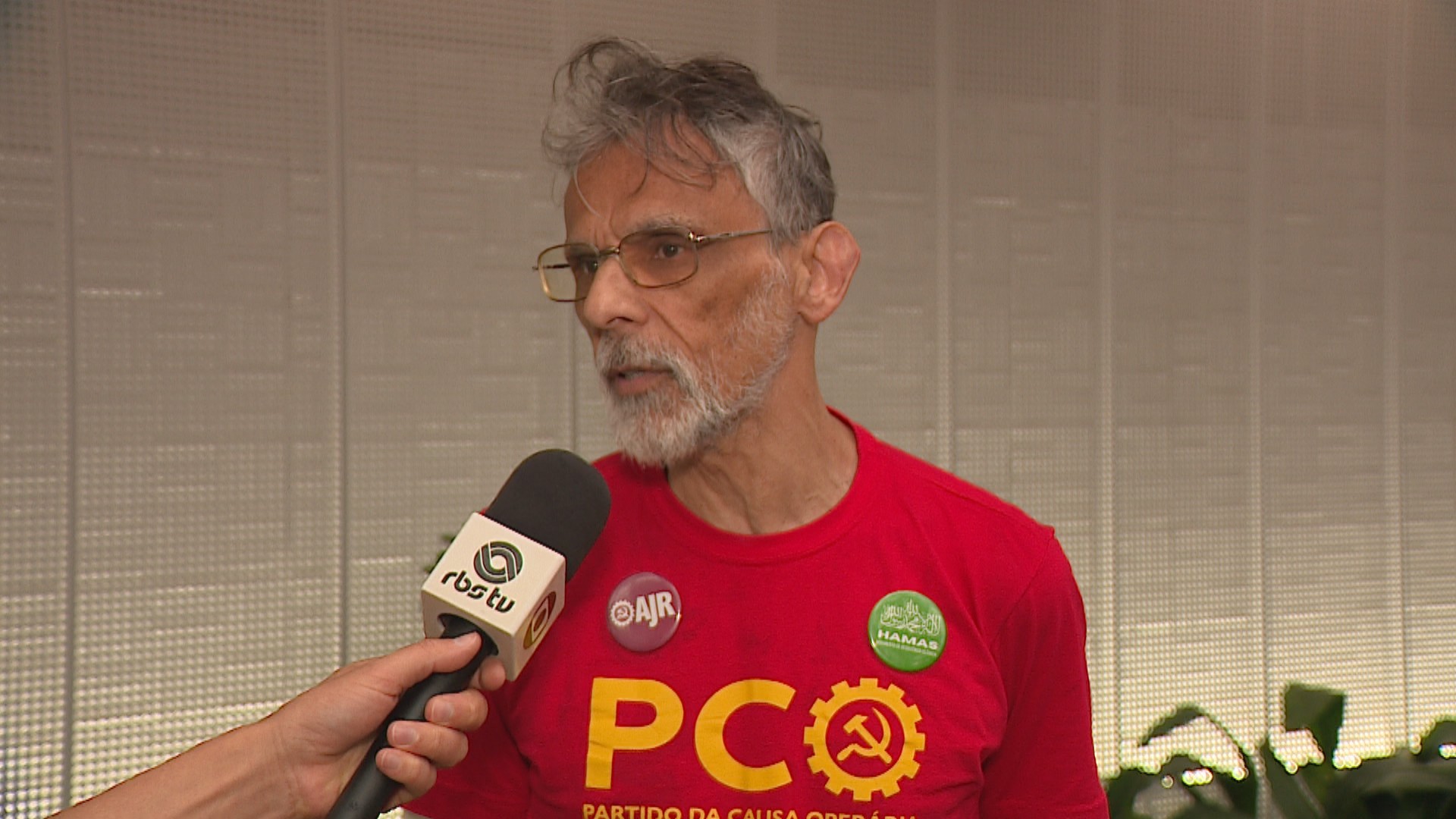
The Workers' Cause Party (PCO) has officially nominated Cesar Pontes as its candidate for governor of Rio Grande do Sul. This decision was finalized during the party's convention held on Sunday, July 3rd, in São Paulo. Pontes, a history graduate who joined the PCO in 2016, will be running for the state's highest office for the first time, having previously vied for the mayorship of Porto Alegre in 2024. The PCO also approved Tiago Nilo as the candidate for vice-governor and Ricardo Herbert Jones for the Senate. Pontes stated that the PCO is not primarily an electoral party focused on accumulating votes but rather a Marxist party dedicated to promoting its program and empowering the public in governance. The PCO will contest the Rio Grande do Sul elections with a "pure slate," meaning they will not form coalitions with other parties. The convention dates are a prelude to the official candidate registration deadline of August 15th with the Superior Electoral Court (TSE), followed by the official campaign start on August 16th. Brazilians will vote for president, governor, senators, federal deputies, and state deputies on October 4th. Cesar Augusto Pontes, born in Porto Alegre in 1957, holds a history degree from PUC-RS and attended public schools. After retiring, he joined the PCO in 2016 and participated in protests against the impeachment of President Dilma Rousseff and the government of Michel Temer. He was previously deemed ineligible to run for governor of Rio Grande do Sul in 2022 due to party-related issues and did not advance past the first round in his 2024 mayoral bid for Porto Alegre.
The PCO's nomination of Cesar Pontes for governor of Rio Grande do Sul highlights a strategic choice by a party explicitly identifying as Marxist and not primarily focused on electoral victory. This approach suggests an emphasis on ideological propagation and public engagement in governance, aligning with the party's stated mission rather than a pursuit of mainstream political power. The PCO's decision to run a "pure slate" indicates a commitment to independent action, avoiding the compromises often associated with coalition politics. In the context of evolving political landscapes, such parties often serve as platforms for articulating alternative socio-economic visions, potentially influencing broader political discourse even without achieving significant electoral success. The long-term impact may lie in their ability to mobilize specific segments of the electorate and shape policy debates through consistent ideological advocacy.
AI-generated to prompt reflection — not editorial opinion, not advice, not a statement of fact. How this works.
