Peace Remains Elusive in Eastern DR Congo Despite Diplomatic Efforts
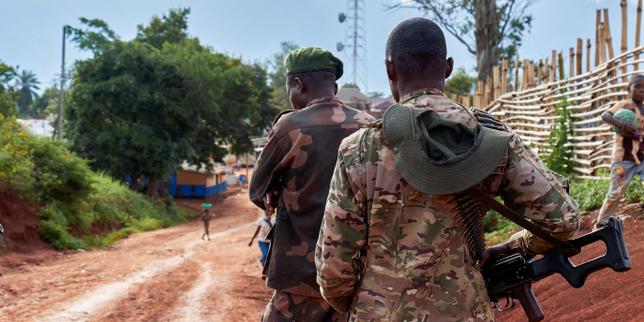
Despite a reported decrease in combat operations in the North Kivu and South Kivu provinces of the Democratic Republic of Congo, belligerent forces remain on high alert. Diplomatic initiatives launched in June 2025, under the guidance of the United States, have yielded only "limited effects," according to United Nations experts. The ongoing military readiness of the factions suggests that the underlying issues fueling the conflict have not been resolved. This situation underscores the persistent challenges in achieving lasting peace in the region. The experts' assessment highlights the inadequacy of current diplomatic strategies in de-escalating the conflict and fostering stability. The continued presence of armed groups and their preparedness for renewed hostilities indicate a fragile security environment. Further comprehensive approaches may be necessary to address the root causes of the protracted conflict and to facilitate a genuine peace process.
The persistent conflict in eastern DR Congo, despite diplomatic interventions led by the United States since June 2025, indicates a complex interplay of unresolved grievances and entrenched security dynamics. The limited impact of these efforts suggests that current diplomatic frameworks may not adequately address the multifaceted nature of the conflict, which often involves resource competition, ethnic tensions, and regional power plays. Future strategies might benefit from a more integrated approach that combines security sector reform, inclusive governance, and targeted economic development initiatives. Examining the incentive structures for armed groups and the efficacy of international peacekeeping mandates will be crucial in navigating the path toward sustainable peace over the next decade.
AI-generated to prompt reflection — not editorial opinion, not advice, not a statement of fact. How this works.