Peak District's Skoda Deal Sparks Debate Over National Park Commercialization
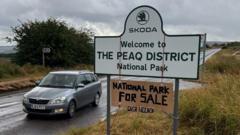
The Peak District National Park has entered into a brand partnership with car manufacturer Skoda, a move that has generated both revenue and criticism. This deal raises questions about the potential for other national parks to pursue similar commercial agreements. While the specific financial details of the Peak District's agreement with Skoda have not been disclosed, the partnership is expected to provide a financial boost to the park. The arrangement has ignited a debate among conservationists, park authorities, and the public regarding the balance between securing necessary funding and preserving the natural integrity and public perception of these protected landscapes. Critics express concerns that such commercial tie-ins could compromise the 'national park' identity and potentially lead to increased visitor numbers or commercial activities that detract from the intended experience. Supporters, however, argue that these deals are essential for generating income to maintain and improve the park's infrastructure and conservation efforts, especially in the face of budget constraints. The success and reception of this Skoda deal will likely influence whether other national parks in the UK consider similar avenues for revenue generation.
The Peak District's brand deal with Skoda highlights a growing tension between the financial needs of public land management and the preservation of natural and cultural heritage. As public funding models face pressure, national parks are exploring commercial partnerships as a potential revenue stream. This strategy, while offering financial relief, introduces complex governance challenges. The core issue revolves around maintaining public trust and ensuring that commercial interests do not undermine the statutory purposes of national parks, which include conservation, landscape protection, and public enjoyment. Future considerations may involve developing clearer ethical guidelines and transparent frameworks for such partnerships to balance economic viability with ecological and social stewardship, ensuring long-term sustainability and public benefit in the evolving landscape of protected area management.
AI-generated to prompt reflection — not editorial opinion, not advice, not a statement of fact. How this works.