Pedro Bial laments small readership but cherishes book lovers at Bonito Literary Fair
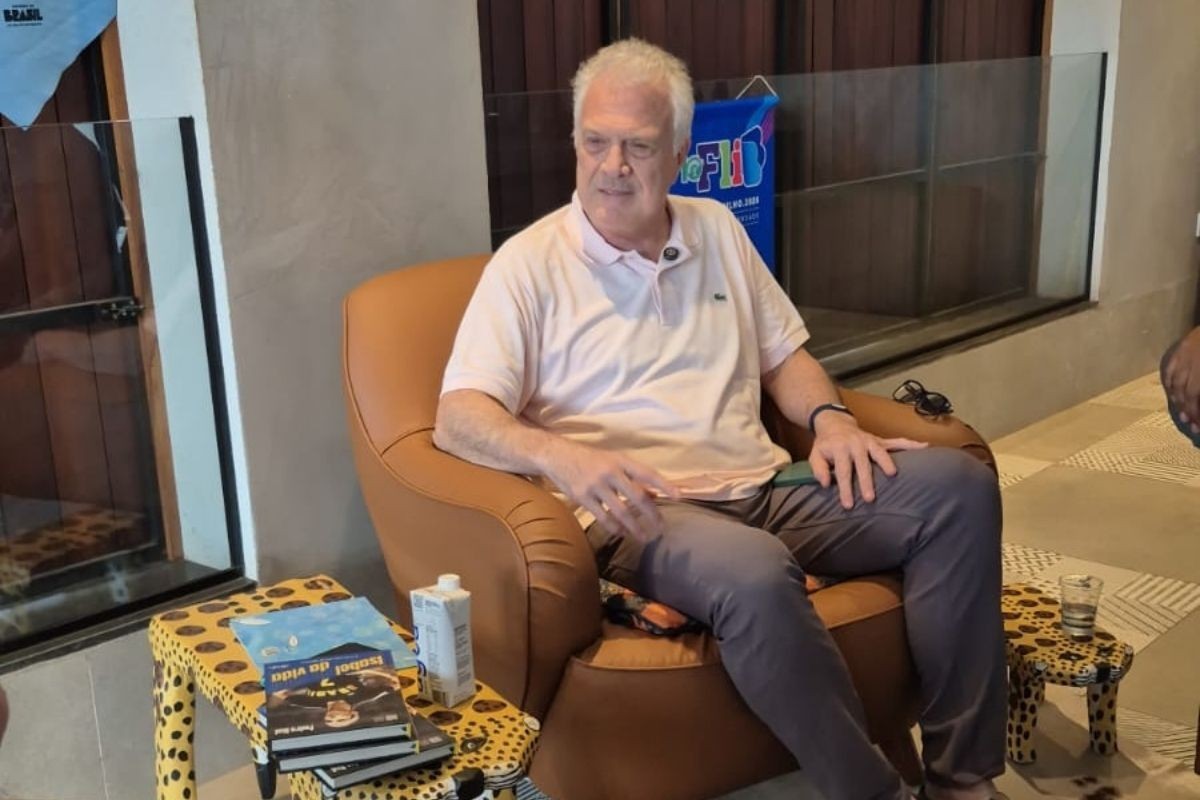
Renowned journalist, writer, and presenter Pedro Bial spoke at the 10th Bonito Literary Fair (Flib) on Saturday, April 11th, engaging in a conversation with the audience mediated by journalist Cláudia Gaigher. Before his appearance, Bial expressed his anticipation for the event, sharing his deep affection for books and those who read them. He remarked, "We are few, we readers, we who enjoy this object, this spectacular technology that is the book." Bial believes this scarcity makes the audience at literary fairs particularly special, noting that attendees arrive with a genuine interest in meaningful conversation, which he finds highly stimulating. He also shared his delight when encountering individuals who have read his work, describing it as a source of great happiness. Bial's diverse career spans television journalism, documentary filmmaking, and poetry, making him a popular figure at this year's fair. The event featured sign language interpretation and free admission, consistent with the fair's overall programming. The 10th Flib, concluding on Sunday, April 12th, is being held at Praça da Liberdade in Bonito. This edition honors the late writer Lygia Fagundes Telles and the late writer and editor Luciano Serafim. Saturday's schedule also included appearances by Ana Martins Marques, Mariana Salomão Carrara, and a performance by Jorge Vercillo. Bial has a recent personal connection to the state of Mato Grosso do Sul, having presented the documentary "Zahran, Um Sonho no Ar" in late 2025, celebrating the 60th anniversary of RMC (Rede Matogrossense de Comunicação) and chronicling the Zahran family's pioneering role in regional television.
Pedro Bial's sentiment highlights a common concern regarding the perceived decline in dedicated readership in an era of abundant digital content. While framed as a lament, this perspective can also be viewed as an affirmation of the unique value and engagement found within niche literary communities. The event itself, by drawing an audience specifically interested in literary discussion, demonstrates the enduring appeal of curated intellectual and cultural experiences. As media consumption diversifies, the challenge for creators and cultural institutions lies in fostering and sustaining these dedicated communities, recognizing their intrinsic value beyond mass market appeal. The future may see a greater emphasis on personalized engagement and community building to ensure the continued relevance of literature and thoughtful discourse.
AI-generated to prompt reflection — not editorial opinion, not advice, not a statement of fact. How this works.