Pedro Castillo's Continued Incarceration: Legal Hurdles Block Potential Release
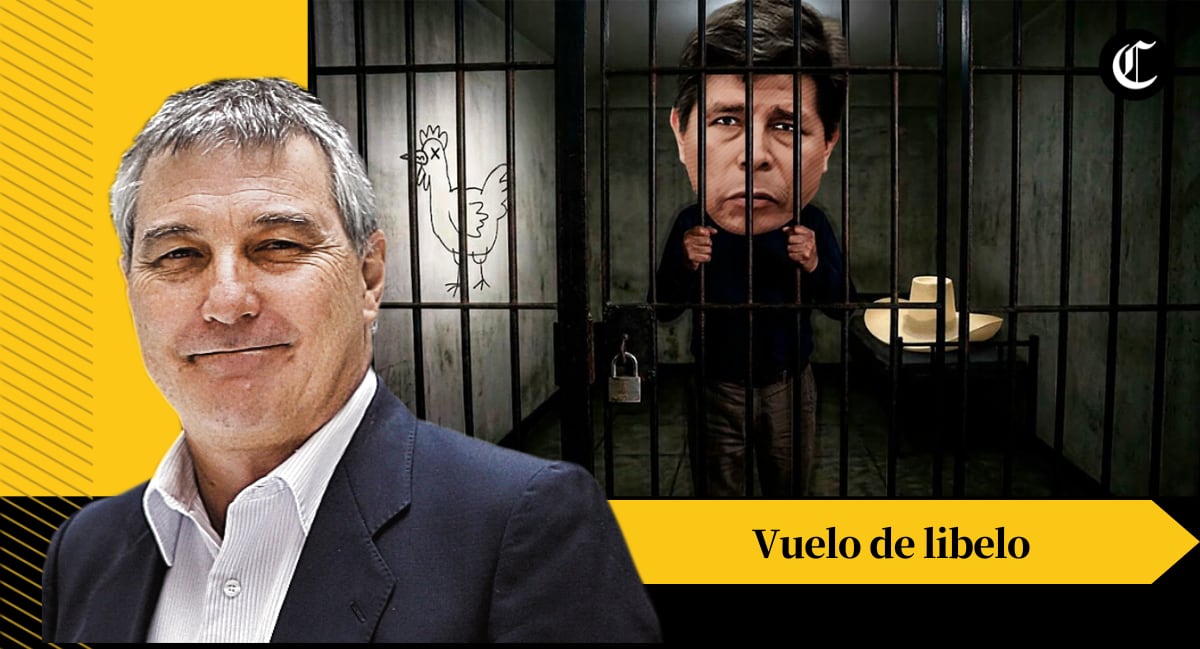
Former Peruvian President Pedro Castillo remains incarcerated, facing significant legal obstacles to his release. He is currently serving a sentence of over 11 years for conspiracy to rebellion, with his pre-trial detention for the "Puente Tarata" case extending until March of next year. Speculation about President Balcázar granting an pardon for the rebellion charge is complicated by several factors. Firstly, the conviction, being a first-instance ruling, must be final and not under appeal, which is not currently the case. Additionally, a presidential pardon requires a report from the presidential graces commission and the signature of the Minister of Justice, the latter of whom is reportedly resistant. Furthermore, presidential pardons are typically granted when legal processes exceed reasonable limits, a condition not met in Castillo's case. Even if these hurdles were overcome, Castillo would still be subject to the pre-trial detention order for the "Puente Tarata" case, which only the judiciary can lift. Attempts to find alternative constitutional routes for his release, as suggested by former candidate Jorge Nieto to President-elect Keiko Fujimori, are considered non-existent, as any changes to pre-trial detention regulations would require legislative action. Castillo's attempt to flee to the Mexican embassy on December 7, 2022, before his arrest, also suggests a flight risk, making his release inadvisable. The argument that releasing Castillo would "pacify the country" by addressing a mistaken public belief that he was a victim rather than the perpetrator of the coup is also critiqued as appeasing a false narrative.
The legal and procedural complexities surrounding Pedro Castillo's detention highlight the critical role of judicial independence and established legal processes in maintaining governmental stability. Attempts to circumvent these established norms, even with the stated aim of national pacification, risk undermining the rule of law and setting precedents that could be exploited in future political transitions. The situation underscores a broader challenge in many democracies: balancing public opinion and political expediency with the non-negotiable requirements of due process and legal finality. Moving forward, fostering public understanding of legal frameworks, rather than seeking political shortcuts, is essential for strengthening democratic institutions against internal and external pressures.
AI-generated to prompt reflection — not editorial opinion, not advice, not a statement of fact. How this works.