Pele's Childhood Dream Fulfilled: Brazil's 1958 World Cup Triumph
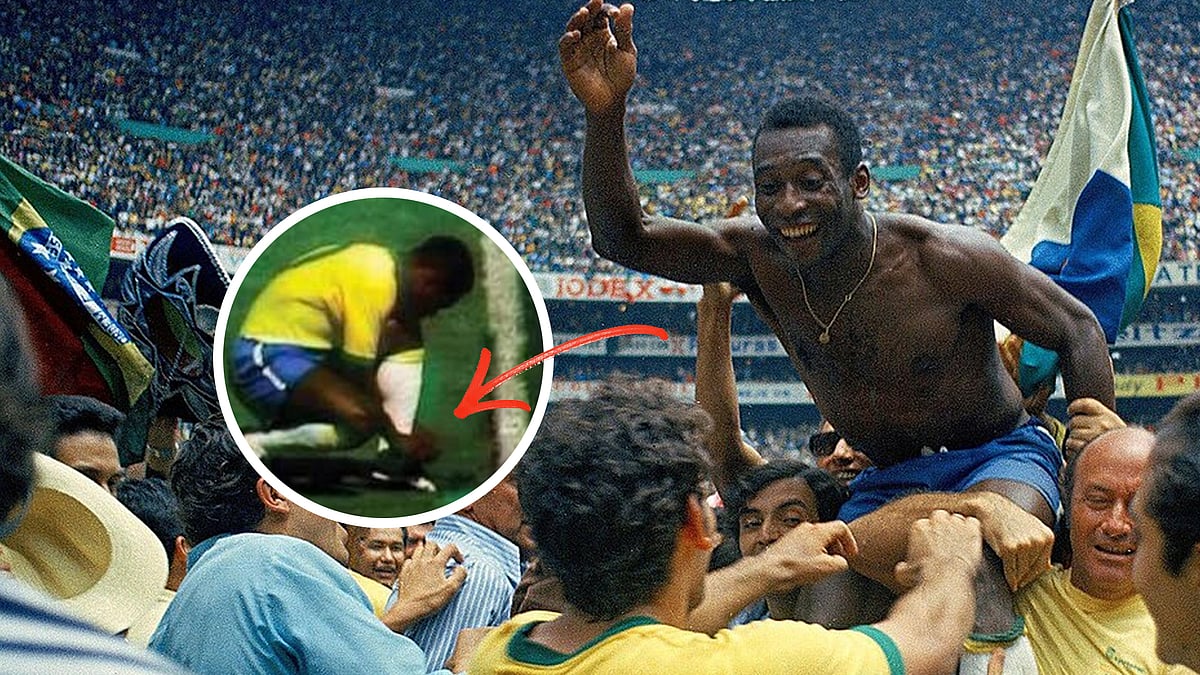
The story recounts the childhood dream of Edson Arantes do Nascimento, famously known as Pelé, who was inspired to win the World Cup after witnessing his father's tears following Brazil's devastating loss in the 1950 final. Growing up in poverty without a radio, the nine-year-old Pelé listened to the 1950 World Cup final commentary hidden, a moment that deeply affected him and fueled his ambition. Despite his mother's desire for him to pursue a stable career away from football due to his father's injury-plagued playing days and subsequent struggles as a cleaner, Pelé's passion for the sport was undeniable. He honed his skills with makeshift balls and practiced kicks on mango trees, driven by an innate talent and love for the game.
His journey from neighborhood games to the professional league was swift, culminating in a call-up to the Brazilian national team for the 1958 World Cup in Sweden. This tournament marked a turning point for Brazilian football, which had faced criticism for its lack of success in previous tournaments, despite its flair. The team had to balance its traditional 'ginga' style with a more disciplined approach to compete effectively. In the final against host Sweden, Brazil fell behind early, but Pelé, remembering his promise to his father, helped orchestrate a remarkable comeback.
Brazil ultimately won the final 5-2, with the seventeen-year-old Pelé scoring two goals, including a breathtaking strike that left spectators and opponents in awe. His performance in the semi-finals and final, with a total of five goals, cemented his status as a football prodigy. The victory in 1958 not only fulfilled Pelé's childhood promise but also marked Brazil's first World Cup title and the beginning of its dominance in international football. The tradition of lifting the World Cup trophy overhead also began with this historic win.
The narrative highlights the powerful intersection of personal aspiration and national identity, demonstrating how a singular event, like the 1950 World Cup final, can profoundly shape an individual's life and, by extension, a nation's sporting destiny. Pelé's journey from humble beginnings to global icon underscores the potential for talent to emerge from adversity, but also raises questions about the systemic support structures available to aspiring athletes from disadvantaged backgrounds. The story implicitly contrasts the 'ginga' style with disciplined European football, reflecting an ongoing global debate about the optimal blend of flair and pragmatism in sports, and how cultural identity can be both a source of unique strength and a potential impediment to achieving specific objectives. The 1958 victory can be viewed not just as a sporting achievement, but as a catalyst for national pride and a significant moment in the globalization of football, establishing Brazil as a dominant force for decades to come.
AI-generated to prompt reflection — not editorial opinion, not advice, not a statement of fact. How this works.