Pelotas Cell Phone Store Holds 32-Hour Endurance Challenge for Prize
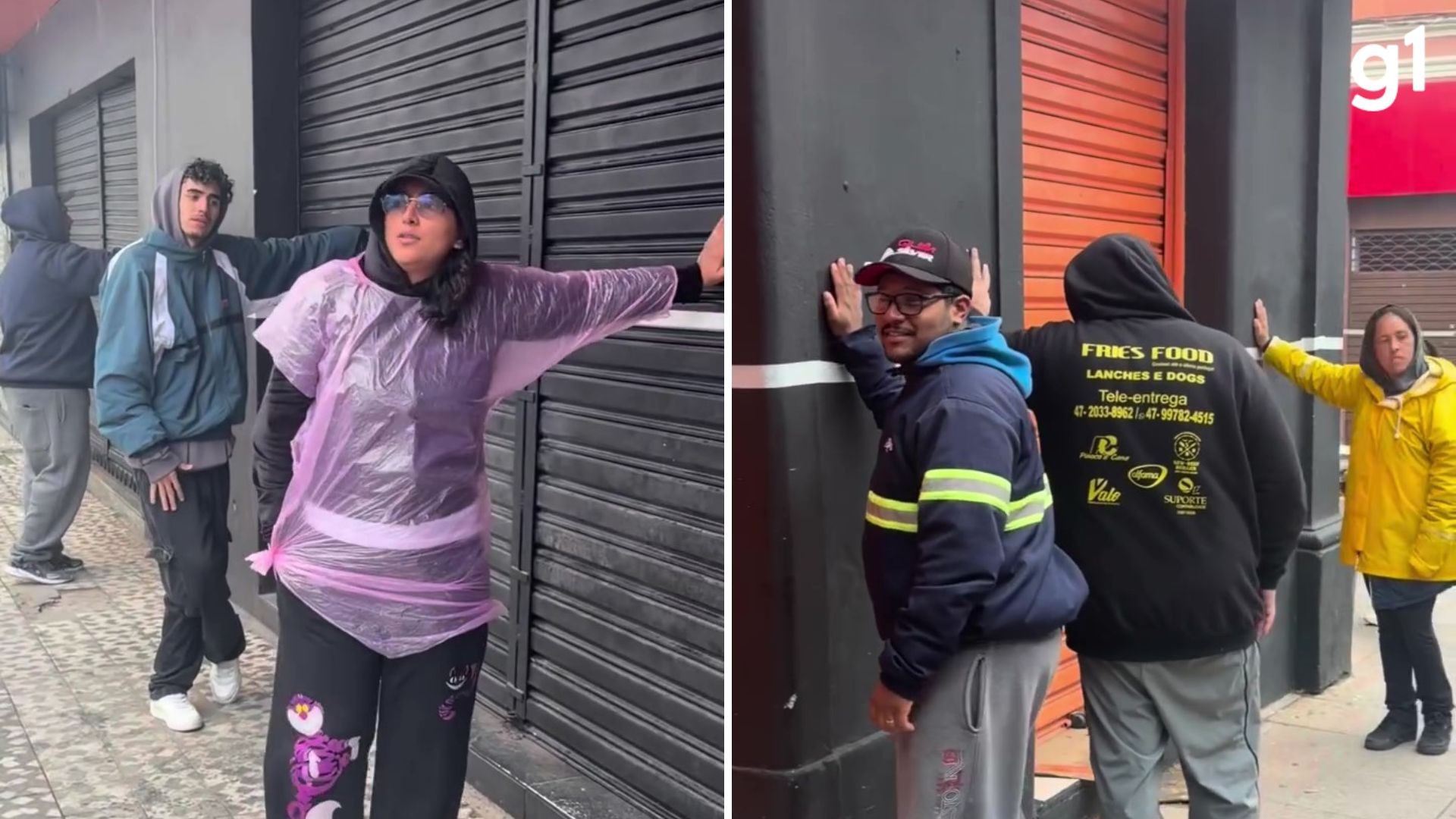
Padrinho's Celulares, a cell phone store in Pelotas, Rio Grande do Sul, organized an endurance competition where participants had to stand with their backs against a wall in front of the establishment. The last person remaining would win a cell phone or its cash equivalent. A total of 120 people registered for the challenge, which commenced at noon on Saturday, November 11th, and concluded over 32 hours later on the evening of Sunday, November 12th. The winner, 46-year-old Márcio Franco, opted for the cash prize of R$7,000. The store's owner, Cristiano Lauterbach, explained that the promotion was conceived following a robbery at the store, where cell phones and cash were stolen but later recovered with community assistance. The robbery had generated significant public attention, prompting Lauterbach to organize the event. Initially, Lauterbach grew concerned about the prolonged duration of the challenge, especially as medical personnel were present and some onlookers criticized the event. He then modified the rules, requiring participants to extend their arms without leaning, after which the competition concluded shortly thereafter. Lauterbach expressed satisfaction with the promotion's success, noting substantial social media engagement and announcing plans for a similar, larger-prize event in December, potentially featuring other brands.
This endurance challenge, while framed as a promotional event, highlights a novel approach to customer engagement and brand visibility, particularly in the wake of a disruptive event like a robbery. The strategy leverages public spectacle and the inherent human desire for competition and reward to generate significant social media buzz and foot traffic. From a business perspective, the low cost of the prize relative to the extensive earned media and customer data gathered suggests a potentially high return on investment. However, such events also raise questions about participant welfare and the ethical boundaries of promotional activities, especially as the duration extended and physical strain increased. Future iterations might consider incorporating more robust safety protocols and potentially exploring less physically demanding, yet equally engaging, competition formats that align with evolving consumer expectations and corporate social responsibility standards in the digital age.
AI-generated to prompt reflection — not editorial opinion, not advice, not a statement of fact. How this works.